Most people do not pay attention to their ceilings until something looks wrong. A stain spreads, tiles look dusty, or the entire ceiling starts to feel dull and uneven. That is usually when the question comes up: should you clean or replace them?
According to ceiling maintenance guidance from Armstrong World Industries, many ceiling tiles can be maintained through routine cleaning. Replacement is typically only required when tiles are damaged, sagging, or affected by moisture or contamination.
The decision around clean vs replace ceiling tiles is more important than it seems. Many businesses immediately choose replacement because it feels like a complete fix. While that approach works, it often leads to unnecessary expenses. In reality, many ceiling issues are surface-level and can be addressed with the right cleaning methods. Understanding the condition of your tiles and the cause of the problem helps you avoid overspending. It also helps you maintain a clean and professional space.
Key Takeaways
- Cleaning ceiling tiles costs significantly less than full replacement
- Dust, stains, and discoloration are often removable
- Regular maintenance helps prevent expensive repairs
- Clean ceilings improve lighting and indoor air quality
- Replacement is only needed for structural damage or safety concerns
Signs Your Ceiling Tiles Need Attention
Ceiling tile problems tend to develop gradually, which makes them easy to overlook during daily operations. Over time, small issues build up and become more noticeable, especially in well-lit commercial spaces where even minor imperfections stand out. If you are unsure what is causing these changes, reviewing the common causes of ceiling tile stains can help you identify the source early.
Common signs to watch for include:
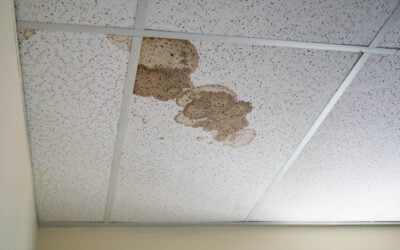
- Stains or discoloration caused by dust buildup, HVAC airflow, or minor leaks
- Uneven patches that make the ceiling look inconsistent or aged
- Sagging or slight warping in areas with high humidity
- Loss of original shape or rigidity in certain tiles
- Cracks or chipped edges along tile corners or surfaces
- A persistent musty smell that may indicate trapped moisture
These issues are often linked to environmental factors rather than structural failure. For example, discoloration near vents is usually caused by airflow patterns, while light staining may come from past moisture exposure that has already been resolved.
In many cases, the tiles themselves are still structurally sound. When that is true, professional cleaning can remove buildup and restore the ceiling’s appearance without the need for full replacement.
Cleaning vs Replacement: Cost and Impact
Choosing between cleaning and replacement becomes easier when you compare their impact on cost, time, and results. Looking at both options side by side helps clarify which approach aligns better with your budget, operational needs, and the current condition of your ceiling. It also reduces the chances of overspending on replacement when a simpler, more cost-effective solution could deliver similar results.
| Factor | Cleaning Ceiling Tiles | Replacing Ceiling Tiles |
| Cost | Lower upfront cost | Higher material and labor cost |
| Time | Quick with minimal disruption | Longer and may affect operations |
| Appearance | Restores surface condition | Completely new look |
| Air Quality | Removes dust and buildup | Improves with new materials |
| Structural Fix | Not applicable | Fixes damaged tiles |
| Ideal For | Surface stains and dust | Severe damage or deterioration |
This comparison highlights why cleaning is usually the most practical first step for most commercial spaces. It resolves common surface-level issues efficiently while avoiding the cost and disruption of a full ceiling replacement.
Why Cleaning Ceiling Tiles Makes Sense
Cleaning ceiling tiles offers more than just a visual improvement. It directly impacts how your space functions and feels. From a cost perspective, cleaning avoids the expense of purchasing new tiles and paying for installation. This is especially important in large commercial spaces where replacement costs can add up quickly.
There is also a noticeable difference in air quality. Ceiling tiles collect dust, allergens, and particles over time. Removing this buildup helps create a cleaner environment, which can benefit both employees and visitors.
Visually, a clean ceiling improves how light spreads across a room. This makes the space feel brighter and more maintained without any structural changes. It is a simple improvement that has a strong overall effect.
Long-Term Ceiling Maintenance Tips
Maintaining ceiling tiles does not require a complicated process, but it does require consistency. Small actions taken regularly can prevent larger issues later and help you avoid unnecessary expenses over time. A proactive approach also keeps your space looking clean and well-maintained without major disruptions. For larger facilities or hard-to-reach areas, following proper ceiling cleaning methods, like those used in high ceiling cleaning done right, can make a noticeable difference in long-term results.
Simple maintenance habits can make a noticeable difference:
- Inspect ceilings periodically to catch early signs of staining or damage
- Clean tiles on a routine schedule to avoid buildup
- Address leaks as soon as they appear to prevent water damage
- Maintain proper ventilation to control humidity levels
Staying consistent with these steps helps preserve both the appearance and structure of your ceiling system. Over time, this approach reduces the likelihood of major repairs and extends the overall lifespan of your ceiling tiles.
Budget-Friendly Ceiling Care
Keeping ceilings in good condition does not always require a large budget. Many common issues can be managed before they become serious. Routine cleaning helps control dust and prevents discoloration from becoming permanent. Managing humidity levels also plays a key role in protecting tiles from warping or weakening over time.
For larger facilities or deeper stains, professional cleaning services can deliver better results without the high cost of replacement. This makes them a practical option for maintaining both appearance and performance.
When Replacement Is the Better Option
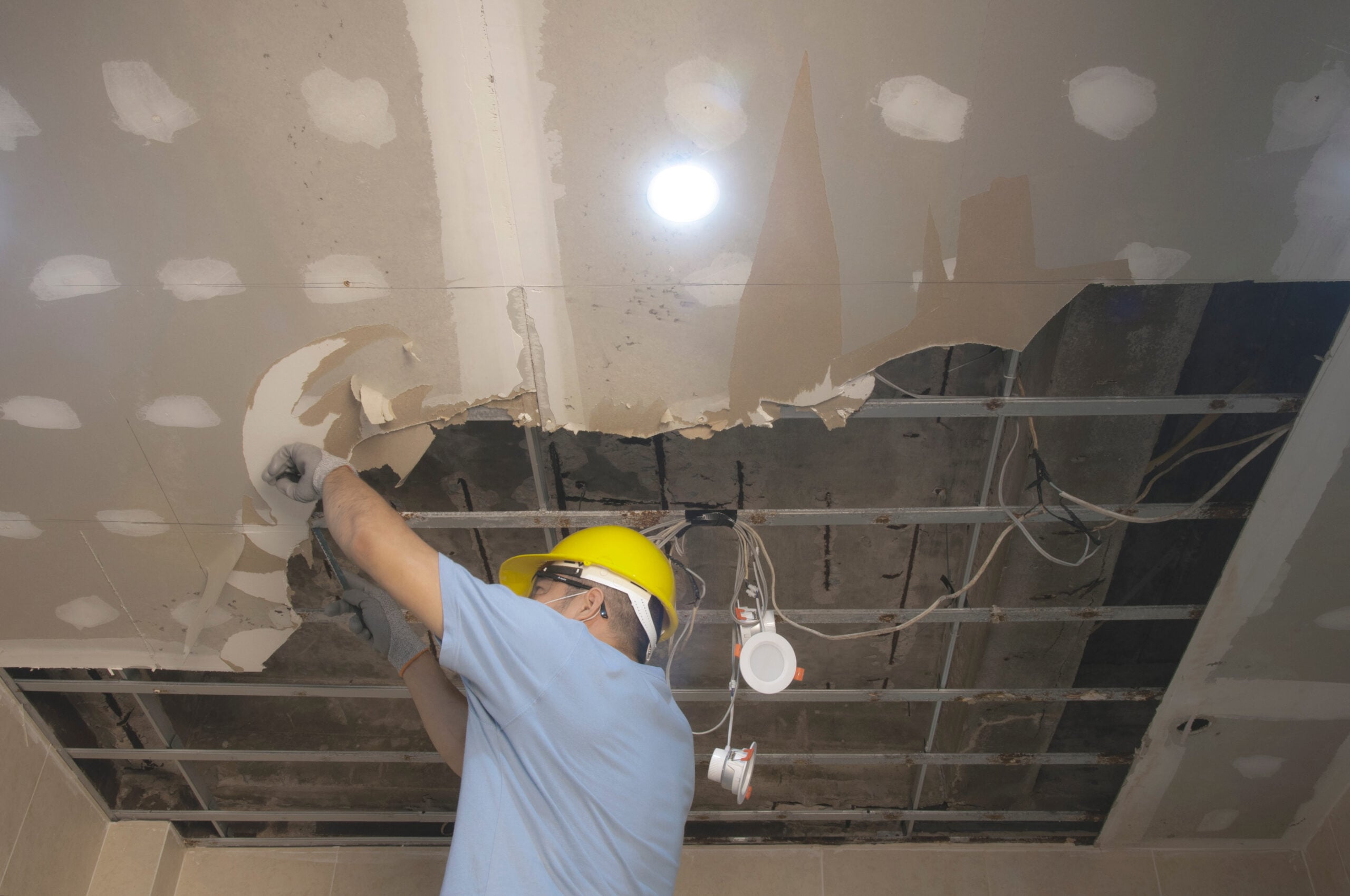
There are situations where cleaning is no longer effective. In these cases, replacement becomes necessary to maintain safety and functionality. Tiles that are warped, sagging, or structurally weakened should be replaced. The same applies to tiles with heavy water damage or visible mold, as these can affect indoor air quality and pose health risks.
Cracked or broken tiles also require replacement, as they can compromise the overall ceiling system. If you are already renovating your space, replacing tiles may also help create a consistent, updated look.
Clean vs Replace: Making the Right Choice
In most cases, the decision comes down to condition rather than preference. A quick assessment of the tiles can usually tell you whether the issue is cosmetic or structural. If the tiles are firm, level, and intact, and the problem is limited to dust, staining, or discoloration, cleaning is the more cost-effective and practical solution.
If the tiles show signs of warping, soft spots, cracking, or prolonged moisture exposure, replacement becomes the better long-term choice. These issues affect not just appearance but also performance and safety, which cleaning alone cannot resolve.
Taking the time to evaluate factors like moisture source, tile material, and extent of damage helps you choose the right approach. This avoids unnecessary replacement costs while ensuring the ceiling continues to meet both visual and functional standards.
Professional Guidance for Commercial Ceiling Cleaning
Commercial ceiling cleaning plays a key role in maintaining indoor air quality, workplace safety, and overall building performance. Effective cleaning must address dust accumulation, HVAC efficiency, surface protection, and compliance with safety standards. Proper execution within different ceiling systems is also essential to achieve consistent and long-lasting results.
As a Houston-based provider of commercial cleaning and overhead maintenance services, Ceil Tex works with facility managers, contractors, and business owners to assess cleaning requirements, ceiling types, access challenges, and safety considerations. Our team focuses on structured commercial ceiling cleaning and high-dusting solutions that deliver reliable results without disrupting daily operations.
Are you planning to schedule high-dusting services or improve the cleanliness of your facility? Contact us for expert guidance. A professional assessment helps you choose the right cleaning approach, maintain compliance, and prevent costly issues while supporting long-term building efficiency.