
Ceiling tiles do more than just cover your ceiling; they also contribute to sound absorption, insulation, and the overall aesthetic of a room. But like any part of a building, they need maintenance.
Ignoring small problems can turn into bigger, more expensive repairs later. In this blog, we’ll go over common ceiling tile problems, how to spot them, and what you can do to fix them.
Why Ceiling Tiles Need Maintenance
Ceiling tiles are exposed to moisture, temperature changes, and everyday wear and tear. Although they appear sturdy, they can still become damaged over time. Checking them regularly helps prevent bigger issues, keeps your space looking nice, and can save money in the long run.
Quick Overview of Common Issues
Some of the most common ceiling tile problems include:
- Water damage and stains
- Cracks, holes, or sagging tiles
- Mold and mildew growth
- Discoloration and aging
- Acoustic or insulation problems
Water Damage and Stains
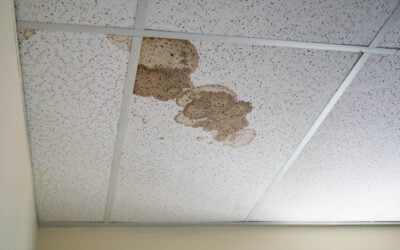
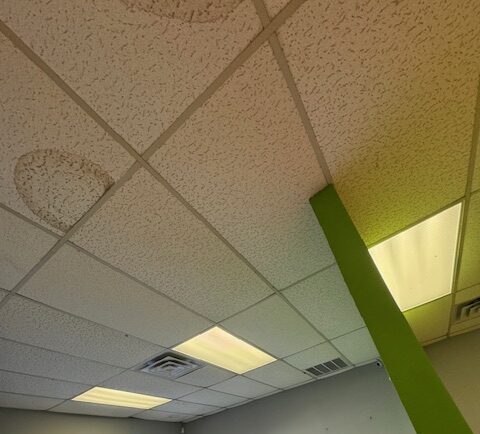
Water is one of the biggest enemies of ceiling tiles. Leaks from pipes, roofs, or HVAC systems can cause tiles to weaken, warp, or even collapse.
Look for signs of water damage:
- Brown or yellow stains
- Warping or drooping tiles
- Soft or crumbly material when touched
Small stains can sometimes be cleaned or painted over, but warped or weakened tiles usually need to be replaced. Ignoring water damage can lead to mold or structural issues.
Cracks, Holes, and Sagging Tiles
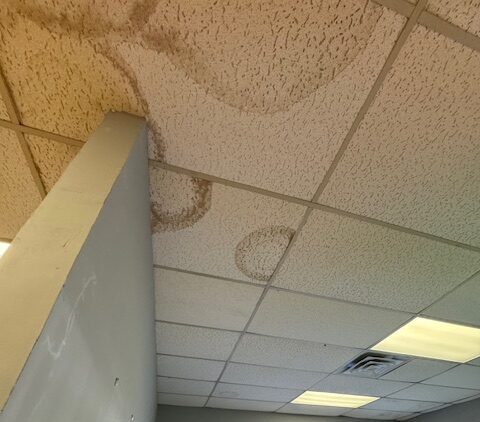
Cracks or holes can happen from accidents, age, or humidity. Sagging often happens when tiles get wet or when the grid that holds them weakens.
Minor cracks can sometimes be filled with a patching compound, but holes or large cracks usually require tile replacement. Sagging tiles almost always need to be replaced to restore a safe, level ceiling.
Make sure your ceiling grid is secure and check for leaks regularly. Controlling humidity can also prevent tiles from sagging over time.
Mold and Mildew Growth
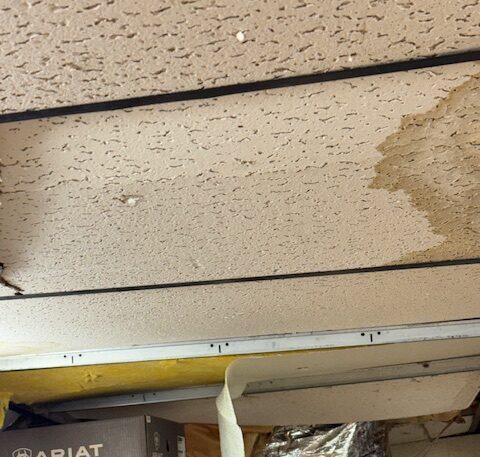
Mold grows when tiles stay wet for too long. Even a small leak or persistent humidity can cause it. Mold can cause respiratory problems, allergies, and musty smells. Black or green spots and a damp odor are signs you should act quickly.
Replace any moldy tiles and clean the surrounding area. Fix leaks and improve ventilation to keep moisture from returning.
Discoloration and Aging
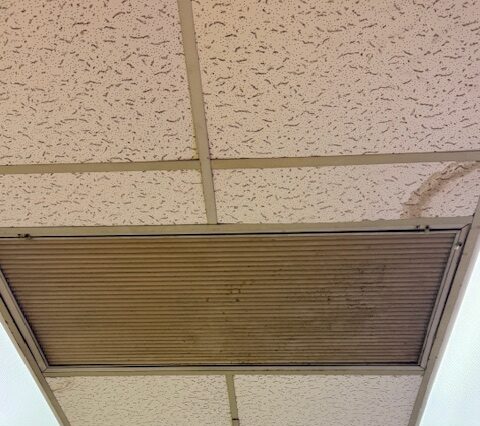
Over time, tiles can yellow, fade, or just look old. Sunlight, dust, and age all contribute.
Some stains can be painted over, but older or heavily discolored tiles often look best when fully replaced. New tiles can also improve the look and feel of your space.
Acoustic or Insulation Problems
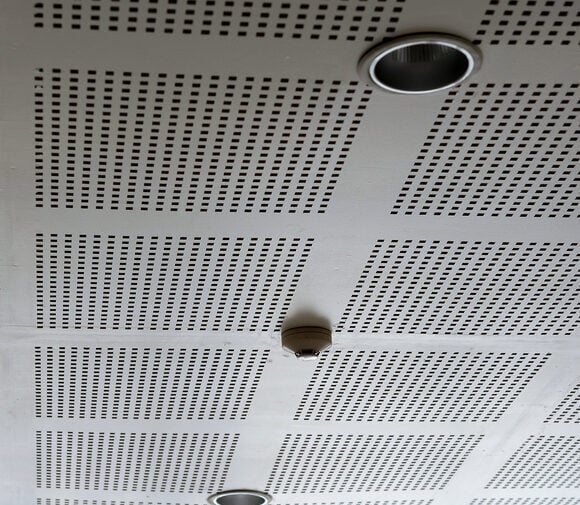
Damaged tiles can reduce sound absorption and make rooms noisier. In industrial settings, understanding where to use industrial acoustic panels in facilities can help control noise and improve overall working conditions. Insulation may also be less effective if tiles are missing or warped.
Replacing damaged tiles with acoustic or insulated tiles can restore comfort and reduce noise, sometimes even improving performance compared to your original ceiling.
When to Call a Professional
Small issues like minor stains or a single tile replacement can often be done yourself. But for water damage, mold, or large-scale repairs, a professional ensures the job is safe and lasting. Many of these issues are easier to spot when you understand the early warning signs that indicate suspended ceiling repair is needed.
Look for companies with experience, good reviews, and proper licensing. A professional can assess damage, recommend solutions, and prevent future problems.
Ceiling Tile Repair Questions
How do I know if a ceiling tile needs repair or replacement?
Check for stains, cracks, sagging, or mold. If a tile is warped or soft, it usually needs replacing.
Can I paint over stained ceiling tiles?
Yes, minor stains can be painted, but water damage or mold must be addressed first.
What’s the best way to prevent water damage to ceiling tiles?
Regularly inspect your roof, plumbing, and HVAC systems, and fix leaks promptly.
How long does it take to repair ceiling tiles?
Small repairs can take an hour or two. Larger projects may take a day or more, depending on the damage.
Are drop ceiling tiles easy to replace myself?
Yes, individual tiles are often easy to swap out, but make sure to measure correctly and handle tiles carefully to avoid breakage
Keep Your Ceiling Tiles in Top Shape
Ceiling tiles can face a variety of issues, from water damage and cracks to mold growth and aging. Regular inspection and timely repair help prevent bigger problems, maintain appearance, and ensure safety. Addressing these issues early can save both time and money while keeping your space comfortable and functional.
As a ceiling repair expert in Houston, we understand the challenges local businesses face with humidity, leaks, and wear over time. Our team is experienced in identifying, repairing, and replacing damaged tiles, helping property owners protect their ceilings.
Looking for professional help with your ceiling tiles? Request a quote today and get expert repair solutions tailored to your needs.