Commercial ceiling tiles do much more than conceal structural components above a workspace. They contribute to indoor air quality, acoustic comfort, energy efficiency, fire resistance, and the overall appearance of a building. When ceiling tiles begin to deteriorate, they can affect both the safety and professionalism of your commercial property. According to the U.S. Environmental Protection Agency (EPA), Americans spend approximately 90% of their time indoors, making building conditions and indoor air quality important factors in occupant health, comfort, and productivity.
Because ceilings play a key role in maintaining these indoor environments, damaged, stained, sagging, or aging ceiling tiles should never be overlooked. While routine maintenance can help extend the life of a ceiling system, there comes a point when replacement becomes the more practical and cost-effective solution. Recognizing the warning signs early can help property owners, facility managers, and business operators avoid larger repair expenses, maintain compliance with building standards, and preserve a safe, professional environment for occupants and visitors.
Key Takeaways
- Water stains, discoloration, and mold growth often indicate moisture problems that can damage ceiling systems and affect indoor air quality
- Cracked, broken, or sagging ceiling tiles may signal structural concerns that require prompt attention to maintain a safe environment
- Frequent repairs can become more expensive over time than replacing aging commercial ceiling tiles
- Persistent odors and difficult-to-clean tiles often suggest hidden damage, contamination, or material deterioration
- Increased noise levels may indicate that acoustic ceiling tiles are no longer performing effectively and should be replaced
Common Signs Your Commercial Ceiling Tiles Need Replacement
While some ceiling tile issues are easy to spot, others develop gradually and may go unnoticed until they begin affecting the appearance, safety, or functionality of your building. A well-maintained ceiling contributes to a cleaner, more professional environment and can make a noticeable difference during periods of increased customer traffic, seasonal promotions, and special events. Whether you’re preparing for everyday operations or planning ceiling upgrades for busy holiday seasons and special events, understanding the most common warning signs can help property owners and facility managers determine whether simple repairs are sufficient or if a full ceiling tile replacement is the better long-term solution.
| Warning Sign | What It May Indicate | Recommended Action |
| Water stains | Roof leaks or plumbing issues | Identify the moisture source and replace the affected tiles |
| Cracks or chips | Aging materials or impact damage | Replace damaged tiles and inspect the support system |
| Mold or mildew | Excess moisture and poor ventilation | Correct moisture issues and install new tiles |
| Sagging tiles | Water damage or structural concerns | Evaluate the ceiling system and replace damaged sections |
| Frequent repairs | Material deterioration | Consider full ceiling tile replacement |
| Persistent odors | Mold, moisture, or pest activity | Schedule a professional inspection |
| Difficult cleaning | Permanent staining or wear | Upgrade to modern ceiling materials |
| Increased noise | Reduced acoustic performance | Install new acoustic ceiling tiles |
Not every ceiling issue requires immediate replacement, but recurring problems often indicate that the materials have reached the end of their useful life. The following signs can help you identify when replacing commercial ceiling tiles may be necessary to maintain a safe, professional, and comfortable environment for employees, customers, and visitors.
1. Water Stains and Discoloration on Ceiling Tiles
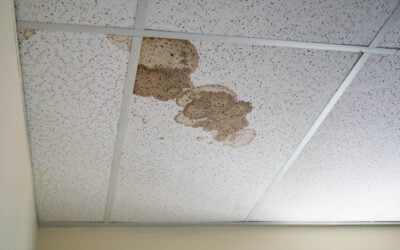
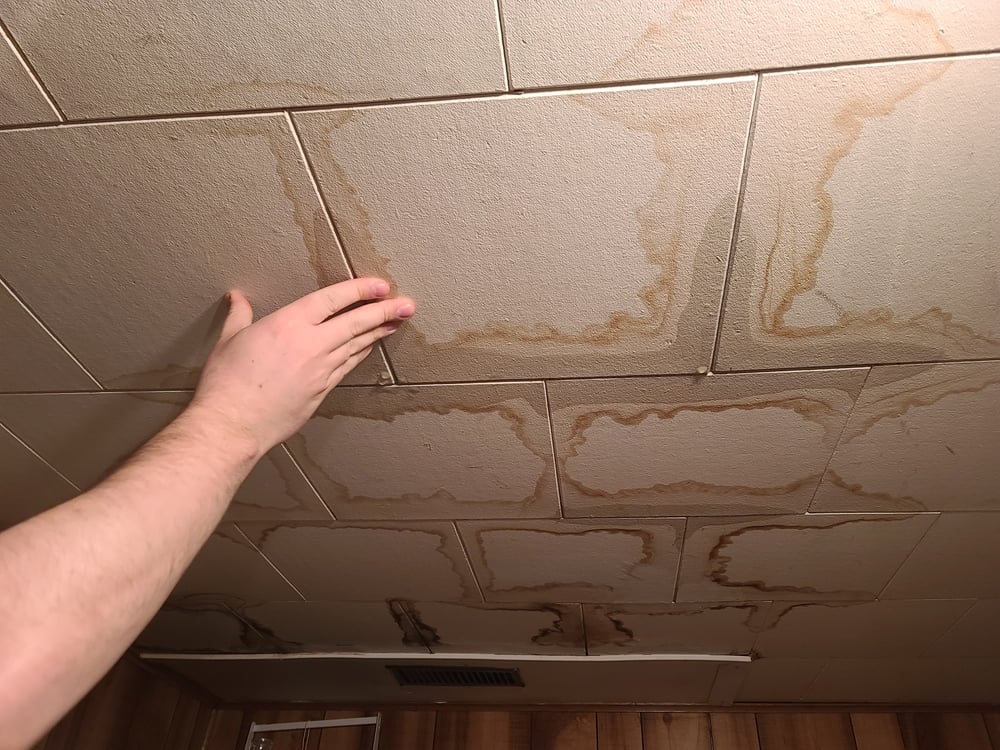
Water stains are among the most obvious indicators that your ceiling tiles need attention. Even a small stain can signal an underlying issue that extends beyond the tile itself. Addressing the problem early can help prevent more extensive damage, reduce repair costs, and protect the overall condition of your building.
Commercial buildings often develop water stains because of:
- Roof leaks
- Plumbing failures
- HVAC condensation
- Excess humidity
- Poor building ventilation
Over time, repeated moisture exposure weakens ceiling materials and causes discoloration that cannot be removed through cleaning. Yellow, brown, or dark stains often indicate that water has penetrated the tile’s surface and compromised its structural integrity. Beyond appearance concerns, moisture-damaged ceiling tiles can become breeding grounds for mold and mildew. Replacing affected tiles while addressing the moisture source helps prevent further damage and protects indoor air quality.
2. Visible Cracks, Chips, or Surface Damage
Cracks and physical damage should never be dismissed as purely cosmetic issues. Damaged ceiling tiles can gradually worsen and create safety concerns if pieces begin to loosen or fall. What starts as a small crack can eventually compromise the tile’s strength, leading to a less professional appearance and potentially more costly repairs in the future.
Common causes of ceiling tile damage include:
- Aging materials
- Building movement
- Impact from maintenance activities
- Temperature fluctuations
- Humidity changes
Small cracks often expand over time, especially in commercial environments where HVAC systems create constant temperature shifts. Once tiles begin to crack, their ability to provide proper insulation, fire resistance, and acoustic performance may be reduced. Replacing damaged tiles helps maintain a cleaner appearance while preventing larger structural concerns from developing.
3. Persistent Mold or Mildew Growth
Mold growth on ceiling tiles is a serious issue that requires immediate attention. While surface cleaning may temporarily improve appearance, recurring mold usually indicates an ongoing moisture problem. Black or green spots, musty odors, recurring discoloration, and damp or soft ceiling tiles are all common signs that moisture is affecting the ceiling system.
Mold can negatively affect indoor air quality and may contribute to respiratory irritation for building occupants. In commercial environments, poor indoor air quality can impact employee comfort, productivity, and customer experience. If mold continues to return after cleaning, replacing the affected tiles and resolving the underlying moisture issue is often the most effective solution.
4. Sagging or Drooping Ceiling Tiles
A ceiling should maintain a flat and uniform appearance. Tiles that sag, bow, or droop often indicate that the material has absorbed moisture or that the support system is under stress. In some cases, aging or damaged grid systems may also contribute to an uneven appearance, making solutions such as ceiling grid covers a practical option for improving aesthetics while protecting the existing framework. Ignoring these warning signs can allow underlying problems to worsen, potentially leading to more extensive ceiling damage and costly repairs.
Several issues can cause sagging ceiling tiles, including:
- Roof leaks
- Plumbing leaks
- High humidity levels
- Improper installation
- Structural movement
Sagging tiles can eventually detach from the ceiling grid, creating potential safety hazards. In addition, a drooping ceiling creates an unprofessional appearance that may leave a negative impression on visitors, tenants, or customers. Prompt replacement helps restore the ceiling’s appearance while preventing further deterioration.
5. Frequent Ceiling Tile Repairs
Occasional repairs are normal, but constant maintenance may indicate that your ceiling system is nearing the end of its service life. Repeated tile replacements, ongoing water damage repairs, frequent staining issues, and recurring cracks or sagging are all signs that replacement may be more cost-effective than continued repairs.
As ceiling materials age, they often become more vulnerable to damage and less capable of maintaining their original performance. Continuing to repair individual sections can become increasingly expensive and time-consuming, especially when the same problems keep returning. A complete ceiling tile replacement may provide better long-term value by reducing maintenance costs, improving building performance, and creating a more consistent appearance throughout the space.
6. Unpleasant Odors Coming from the Ceiling
Persistent odors often signal hidden problems within the ceiling system. While the smell itself may seem minor, it can indicate issues that require immediate investigation. Common causes of ceiling-related odors include mold and mildew growth, trapped moisture, pest activity, and deteriorating building materials.
Musty smells are particularly common in areas where water intrusion has occurred, even when visible signs of damage are limited. Because odors can reveal issues hidden above the ceiling, they should not be ignored. Replacing contaminated ceiling tiles and addressing the source of the problem can significantly improve indoor air quality, occupant comfort, and the overall condition of the building.
7. Difficulty Keeping Ceiling Tiles Clean
Over time, commercial ceiling tiles can accumulate stains, dust, and discoloration that become increasingly difficult to remove. You may notice permanent staining, yellowing surfaces, dirt buildup that returns quickly after cleaning, or uneven coloring across different areas of the ceiling. These issues often indicate that the tiles have absorbed contaminants or have begun to deteriorate due to age and environmental exposure.
When cleaning no longer restores a clean and uniform appearance, replacement often becomes the most practical option. Modern ceiling tile products are designed with improved durability and easier maintenance requirements, helping facilities maintain a cleaner and more professional appearance. For businesses that regularly welcome customers, clients, or tenants, clean ceilings contribute significantly to positive first impressions.
8. Increased Noise Levels Throughout the Building
Acoustic performance is one of the primary functions of many commercial ceiling systems. As ceiling tiles age, they can lose their ability to absorb and control sound effectively. This gradual decline can create a noisier environment that affects concentration, communication, and overall occupant comfort within the building.
This often results in:
- More noticeable conversations
- Increased echo
- Reduced privacy
- Higher overall noise levels
These issues can be especially problematic in offices, healthcare facilities, educational buildings, and retail environments. Replacing worn acoustic ceiling tiles can improve sound absorption, reduce distractions, and create a more comfortable indoor environment for occupants.
How Long Do Commercial Ceiling Tiles Last?
The lifespan of commercial ceiling tiles depends on several factors, including material quality, environmental conditions, and maintenance practices. In many commercial buildings, ceiling tiles can last between 10 and 25 years when properly maintained. However, exposure to moisture, poor ventilation, temperature fluctuations, and physical damage can significantly shorten their lifespan. Regular inspections help identify early signs of deterioration and allow property owners to address problems before they require extensive repairs.
Benefits of Replacing Commercial Ceiling Tiles
Replacing aging ceiling tiles offers several advantages beyond improved appearance. A ceiling replacement can help create a cleaner, safer, and more comfortable environment for employees, customers, and visitors. New ceiling tiles can also improve acoustic performance, support better indoor air quality, and reduce the need for ongoing maintenance. In many cases, upgrading an aging ceiling system can contribute to greater energy efficiency and enhance the overall value and professionalism of a commercial property.
Benefits may include:
- Enhanced indoor air quality
- Improved acoustic performance
- Better energy efficiency
- Reduced maintenance costs
- Greater fire resistance
- Improved workplace appearance
- Increased property value
- Better occupant comfort
A ceiling replacement project can also provide an opportunity to upgrade materials and improve overall building performance. Modern ceiling systems are often designed to offer better durability, moisture resistance, and acoustic control than older materials. Investing in updated ceiling tiles can help extend the lifespan of the ceiling system while supporting the long-term functionality and appearance of the building.
Best Commercial Ceiling Tile Replacement Contractor in Houston
Commercial ceiling tiles contribute to building appearance, indoor air quality, acoustic performance, and overall occupant comfort. When ceiling tiles become stained, damaged, sagging, or difficult to maintain, they can affect workplace safety, professional appearance, and long-term building performance. Replacing worn ceiling tiles at the right time helps prevent larger maintenance issues while supporting a cleaner and more functional environment.
As a Houston-based commercial ceiling contractor with over 20 years of experience, Ceil Tex works with property owners, facility managers, contractors, and business leaders to evaluate ceiling conditions, identify underlying issues, and recommend practical replacement solutions. Our team specializes in commercial ceiling systems that support durability, acoustic control, accessibility, and long-term performance.
Are your commercial ceiling tiles showing signs of wear or damage? Contact us today for a professional evaluation. Our experienced team can help you identify problem areas, select the right replacement materials, and restore the appearance and functionality of your commercial space.