
A suspended ceiling isn’t just something that makes a room look finished; it also protects your building and hides pipes, wires, and ductwork. Keeping it in good shape is important because a damaged ceiling can lead to bigger problems, like water damage, mold, or even safety hazards.
Suspended ceilings can get damaged for lots of reasons. Leaks from the roof or plumbing, heavy impacts, or even old age can cause tiles to sag, crack, or fall. Knowing what to look for can help you fix problems early and save time and money later.
What Is a Suspended Ceiling?
A suspended ceiling, also called a drop ceiling, is a secondary ceiling that hangs below the main structural ceiling. It’s made up of a grid system and lightweight tiles that fit into the grid, creating a clean, finished look.
Suspended ceilings are common in offices, schools, and commercial buildings because they hide pipes, wires, and ductwork while still allowing easy access for repairs. They also help with sound absorption, insulation, and overall aesthetics, making a space look polished and professional.

Signs You Need Suspended Ceiling Repair
Knowing when your suspended ceiling needs repair can save you from bigger headaches later. Here are some signs to watch for:
| Sign | What It Means | Why It Matters |
|---|---|---|
| Sagging or Uneven Tiles | Tiles that droop or don’t sit level may indicate a damaged ceiling grid or excess weight from moisture or debris. | Can worsen over time and lead to tile collapse or hidden water damage. |
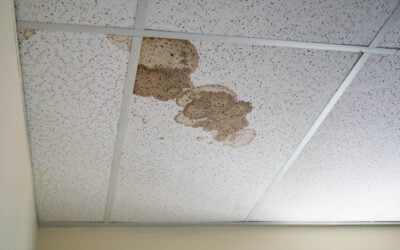
| Water Stains or Leaks | Dark spots, stains, or dripping water show there’s a leak above your ceiling. | Ignoring leaks can cause mold growth, weaken tiles, and create structural issues. |
| Cracks or Gaps in Tiles | Cracks or spaces between tiles mean the ceiling may be shifting or the tiles are wearing out. | Makes the ceiling look uneven and could eventually cause tiles to loosen or fall. |
| Loose or Missing Tiles | Tiles that move easily or are missing altogether signal damage or poor installation. | Poses a safety risk and allows dust or debris to enter the space. |
| Discoloration or Mold Growth | Yellowed, stained, or moldy tiles point to moisture buildup or leaks. | Mold affects both air quality and overall health if not fixed quickly. |
Causes of Suspended Ceiling Damage
Understanding what causes ceiling problems can help you prevent them in the future. Here are some common reasons suspended ceilings get damaged:
Water Damage from Plumbing or Roof Leaks
Leaks from pipes or the roof can soak ceiling tiles, causing them to sag, stain, or even crumble. Water is one of the most common causes of ceiling damage, and ignoring it can lead to mold and structural issues.
Age and Wear of Ceiling Materials
Like anything in your building, ceiling tiles and grids wear out over time. Old tiles can become brittle, discolored, or more likely to break, especially in areas with high humidity or temperature changes.
Structural Issues or Settling
If your building shifts or settles, it can put stress on the ceiling grid. This can cause tiles to crack, move out of place, or even fall.
Poor Installation or Previous Repairs
Ceilings that were installed incorrectly or repaired with the wrong materials are more likely to develop problems. Tiles may not fit right, grids can bend, and weak spots can appear sooner than expected.
Risks of Ignoring Ceiling Damage
It might be tempting to overlook a few cracked or stained ceiling tiles, but ignoring damage can lead to bigger problems. Loose or damaged tiles can fall, posing a safety hazard, while water damage and mold growth can affect the air quality in your building and cause health issues.
The longer you wait to address these problems, the worse they can get, which often leads to more complicated and expensive repairs.
On top of that, a damaged ceiling can make any space look unkempt and poorly maintained, potentially lowering your property’s value and giving visitors or clients a negative impression.
How to Repair a Suspended Ceiling
If you’re wondering how to repair suspended ceiling tiles or how to handle suspended ceiling grid repair, it’s a good idea to first identify the source of the damage, like leaks or structural movement. Replace any broken tiles, dry the area completely, and ensure proper support from the grid before reinstalling tiles.
If the grid itself is bent or rusted, learn how to repair suspended ceiling grid sections safely by tightening loose wires or replacing damaged tracks.

When to Call a Professional
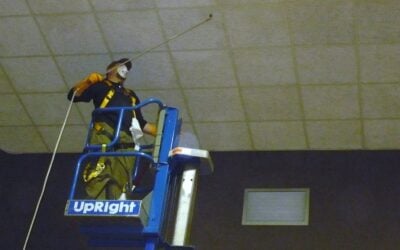
Knowing when to call a professional can save you time, money, and stress. If the damage to your suspended ceiling is extensive, like sagging tiles, large cracks, leaks, or mold, it’s best to have an expert assess the situation.
A professional repair service can determine the cause of the problem, recommend the right solution, and make sure repairs are done safely and correctly. Even for smaller issues, choosing the right repair service is important; experienced technicians can prevent mistakes that might make the problem worse.
In addition, professionals can provide tips for preventative maintenance, like checking for leaks regularly, keeping tiles dry, and replacing old materials before they fail. These steps can help your ceiling last longer and avoid costly repairs in the future.
FAQ: Suspended Ceiling Repair
How long do suspended ceilings typically last?
With proper maintenance and care, suspended ceilings can last 15–25 years, though environmental factors like moisture and building movement can shorten their lifespan.
Can I clean a suspended ceiling without removing tiles?
Yes, light dusting or vacuuming with a soft brush attachment can remove surface dirt. For stains or mold, professional cleaning is recommended.
Are all ceiling tiles replaceable individually?
Most suspended ceiling systems allow you to replace individual tiles without disturbing the whole ceiling, as long as the grid remains intact.
What materials are suspended ceiling tiles made of?
Tiles are commonly made from mineral fiber, fiberglass, metal, or PVC, each with different durability, moisture resistance, and acoustic properties.
Is a sagging tile always a sign of water damage?
Not always. Sagging can also result from old age, heavy dust accumulation, or structural stress, so it’s important to investigate the cause.
Can minor ceiling issues be fixed as a DIY project?
Small issues like replacing a single tile may be manageable, but anything involving leaks, mold, or grid damage is safer to leave to professionals.
How can I prevent future ceiling problems?
Regular inspections for leaks, prompt replacement of damaged tiles, and controlling indoor humidity are key preventative measures.
Does Your Business Need Suspended Ceiling Repair?
Suspended ceilings play an important role in keeping your building safe and looking professional. If you notice sagging tiles, water stains, cracks, or mold, it’s a sign that repairs are needed. Addressing these issues promptly can prevent bigger problems, reduce repair costs, and protect the overall condition of your space.
As a commercial roofing and building maintenance company in Houston, we understand the importance of keeping suspended ceilings in top shape. Our team has experience identifying damage, performing repairs, and providing preventative maintenance to ensure your ceiling lasts longer.
Not sure if your business needs suspended ceiling repair? Request a quote for a professional assessment to get your ceiling back in great condition.