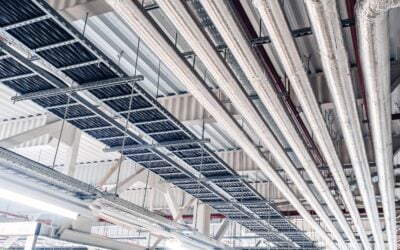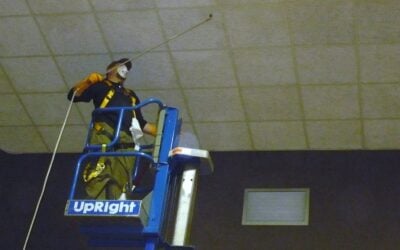
Suspended ceiling systems play an important role in modern commercial construction. They improve acoustics, hide exposed ductwork and wiring, increase energy efficiency, and create a cleaner interior appearance. Houston businesses often use suspended ceilings because they support lighting and HVAC integration while allowing easier access for maintenance and repairs. In fact, the global suspended ceiling market is projected to continue growing steadily due to increasing demand for acoustic performance and energy-efficient commercial interiors.
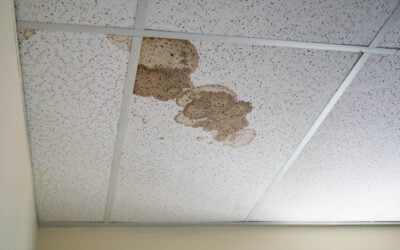
However, proper installation requires experience and technical knowledge. Poor workmanship can lead to uneven grids, sagging tiles, moisture damage, acoustic issues, and code violations. Working with an experienced suspended ceiling contractor helps ensure the system meets safety standards, performance requirements, and long-term building needs. This guide explains the benefits of suspended ceiling systems, the installation process, and how to choose the best suspended ceiling contractor in Houston.
What Is a Suspended Ceiling?
A suspended ceiling, also called a drop ceiling, is a secondary ceiling system installed below the main structural ceiling. It uses a lightweight metal grid supported by wires, with ceiling tiles or panels placed into the framework. These systems are designed to improve both functionality and appearance while still allowing access to important building systems above the ceiling. Suspended ceilings are commonly used in commercial spaces because they create a clean and organized look while hiding electrical wiring, HVAC ducts, plumbing lines, sprinkler systems, and structural elements.
Modern suspended ceiling systems are available in different materials, styles, and performance levels to suit various building needs. Acoustic ceiling tiles help reduce noise and improve speech clarity, while moisture-resistant panels work well in humid environments. Decorative ceiling systems are also popular in retail stores, restaurants, and offices that want to enhance interior design without sacrificing functionality. Because commercial buildings often require efficient maintenance access and better noise control, suspended acoustical ceilings remain a practical solution for offices, schools, healthcare facilities, and retail spaces.
Benefits of Suspended Ceiling Installation
Suspended ceiling systems provide several important benefits for commercial properties. These ceilings are designed to improve building performance while creating a professional interior environment. Property owners who invest in professionally installed suspended ceilings often benefit from improved functionality, reduced maintenance costs, and better long-term durability.
Improved Acoustic Performance
One of the main advantages of suspended ceilings is sound control. Acoustic ceiling tiles absorb noise and reduce echo, helping create quieter and more productive indoor environments. This is especially important in offices, classrooms, hospitals, conference rooms, and restaurants, where excessive noise can affect communication and comfort.
Acoustic ceiling systems help reduce sound transfer between rooms and improve speech clarity. In busy commercial spaces, this can improve employee focus, customer experience, and workplace productivity. Professional suspended ceiling contractors understand how to select the right acoustic materials based on the specific noise control needs of the building.
Cleaner and More Professional Appearance
Suspended ceilings help create a polished and organized interior by covering exposed structural systems. Pipes, ductwork, electrical wiring, and uneven structural ceilings remain hidden above the ceiling grid. This gives commercial spaces a cleaner and more modern appearance.
Businesses often use suspended ceiling systems to create a professional environment for customers, employees, and visitors. Ceiling tiles are available in different textures, colors, and finishes, making it easier to match the overall design of the building. A professionally installed suspended ceiling also improves lighting distribution by supporting integrated lighting systems. This can make interior spaces feel brighter, more comfortable, and visually appealing.
Easier Maintenance Access
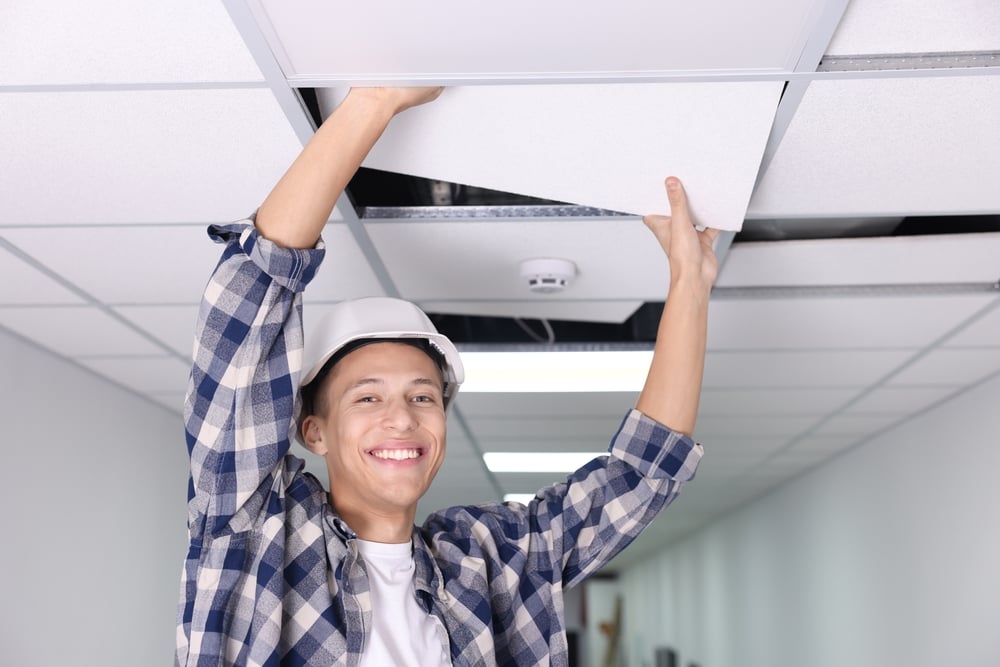
One major advantage of suspended ceilings is accessibility. Ceiling tiles can be removed individually, allowing maintenance teams to access plumbing, wiring, HVAC systems, and communication cables without damaging the ceiling structure. This accessibility reduces repair time and maintenance costs over the life of the building. Instead of cutting into drywall ceilings during repairs, contractors can simply remove and replace individual ceiling panels. For commercial buildings in Houston that require ongoing system maintenance, suspended ceilings provide long-term convenience and operational efficiency.
Better Energy Efficiency
Suspended ceilings can also help improve building energy efficiency. Lower ceiling heights reduce the volume of air that must be heated or cooled, helping maintain more consistent indoor temperatures. Some ceiling systems also include insulation properties that improve thermal performance. This can help reduce heating and cooling costs, especially in large commercial buildings where energy efficiency is important for long-term operating expenses.
Common Types of Suspended Ceiling Systems
Different suspended ceiling systems are designed to meet different environmental and performance requirements. Choosing the right system depends on factors such as moisture resistance, acoustic performance, and fire safety needs. Interior design goals and the overall appearance of the space also play an important role in selecting the best ceiling system.
| Ceiling Type | Best Applications | Main Benefits |
| Acoustic Ceiling Tiles | Offices, schools, healthcare facilities | Sound absorption and noise reduction |
| Metal Ceiling Panels | Industrial and commercial buildings | Durable and easy to maintain |
| PVC Ceiling Tiles | Kitchens and humid environments | Moisture and mold resistance |
| Fire-Rated Ceiling Systems | Commercial buildings | Improved fire protection |
| Decorative Ceiling Panels | Retail stores and hospitality spaces | Enhanced appearance and design flexibility |
Acoustic ceiling systems remain one of the most common options in Houston commercial construction because of their sound-control performance. These ceilings help create quieter environments that improve comfort and productivity. Metal ceiling systems are commonly used in industrial facilities because they offer excellent durability and resistance to damage. Decorative ceiling systems are often selected for retail spaces, restaurants, and hospitality properties that prioritize interior design. An experienced suspended ceiling contractor can recommend the best ceiling materials based on the building type, performance goals, and project budget.
Understanding the Suspended Ceiling Installation Process
Proper installation is essential for the long-term performance, durability, and appearance of a suspended ceiling system. Even high-quality ceiling materials can experience problems if the grid system is not installed correctly or securely. Professional suspended ceiling contractors follow a detailed installation process to ensure the ceiling remains level, stable, and compliant with building and safety standards.
- Site Inspection and Evaluation: Contractors assess the building structure, ceiling height, HVAC systems, lighting layout, and utility access requirements. They also identify challenges such as moisture issues, uneven ceilings, or obstructions before installation begins.
- Material Selection and Design: The right ceiling materials are selected based on acoustic needs, moisture resistance, fire ratings, and design preferences. Commercial projects may require specialized ceiling systems to meet local building codes.
- Suspension Grid Installation: Contractors install the metal grid framework using support wires attached to the structural ceiling. Proper alignment is important to prevent uneven panels, sagging sections, and structural problems.
- Tile Placement and Finishing: Ceiling tiles, lighting fixtures, HVAC vents, and sprinkler heads are installed into the grid system. Contractors then inspect the completed ceiling for alignment, stability, and overall finish quality.
A properly installed suspended ceiling improves both the functionality and overall appearance of a commercial space. Professional installation also helps minimize future maintenance issues, repairs, and long-term operating costs. Working with an experienced contractor ensures the ceiling system remains durable, secure, and reliable for years to come.
Choosing the Best Suspended Ceiling Contractor in Houston
Selecting the right suspended ceiling contractor is one of the most important parts of any ceiling project. An experienced contractor helps ensure the ceiling system is installed safely, functions properly, and meets all necessary building requirements. Professional installation also supports long-term durability, performance, and overall project quality.
Review Experience and Specialization
Experience plays an important role in commercial ceiling installation projects. Contractors with years of industry experience understand building codes, structural requirements, acoustic performance, and proper installation techniques. Experienced professionals are also better equipped to manage project timelines, coordinate with other trades, and deliver consistent results.
Ask contractors about:
- Years in business
- Commercial project experience
- Industry certifications
- Ceiling system specializations
- Previous project examples
Experienced contractors are better prepared to manage complex ceiling installations. They can also adapt quickly to unexpected construction challenges during the project. Their knowledge and problem-solving skills help keep projects on schedule while maintaining quality and safety standards.
Verify Licensing and Insurance
Always verify that the contractor is licensed and insured before starting the project. Insurance protects both the contractor and property owner if accidents or damages occur during installation. Licensed contractors also demonstrate compliance with local Houston building regulations and construction standards. Hiring uninsured contractors can expose property owners to unnecessary financial and legal risks.
Check Customer Reviews and References
Customer reviews provide insight into the contractor’s professionalism, communication, and workmanship quality. Look for consistent positive feedback related to scheduling, project completion, and overall service experience. You can also request references from previous clients or ask to review completed projects. Visiting past installations helps evaluate craftsmanship, ceiling alignment, and material quality firsthand.
Compare Detailed Estimates
Request detailed estimates from multiple contractors before making a final decision. Professional estimates should include labor costs, material specifications, project timelines, warranties, and cleanup procedures. Comparing estimates helps property owners understand pricing differences and evaluate the overall value of each contractor’s services. Lowest pricing should not be the only deciding factor. Quality installation and durable materials often provide better long-term value than low-cost alternatives.
Commercial Suspended Ceiling Services in Houston
Many suspended ceiling contractors in Houston specialize in commercial ceiling systems for offices, schools, healthcare facilities, restaurants, and retail spaces. Commercial ceiling projects require careful planning, code compliance, and coordination with other building systems. Commercial suspended ceiling services may include:
- Acoustic ceiling installation
- Drop ceiling replacement
- Ceiling grid installation
- Ceiling tile replacement
- Fire-rated ceiling systems
- Ceiling maintenance and repairs
- Custom ceiling designs
Commercial contractors often work closely with architects, facility managers, and general contractors to ensure the ceiling system integrates properly with lighting, HVAC systems, and fire protection equipment. Professional commercial ceiling installation helps businesses maintain clean, functional, and code-compliant interiors while minimizing disruptions during construction.
Average Suspended Ceiling Installation Costs in Houston
| Project Type | Estimated Cost |
| Basic Residential Ceiling | $3–$6 per sq. ft. |
| Commercial Acoustic Ceiling | $5–$12 per sq. ft. |
| Decorative Ceiling Systems | $10+ per sq. ft. |
Additional factors that affect pricing include:
- Ceiling height
- Lighting integration
- Fire-rated materials
- Moisture-resistant systems
- HVAC modifications
- Structural repairs
Requesting multiple estimates allows property owners to compare pricing, materials, and installation approaches before selecting a contractor. It also helps identify differences in project scope, workmanship, and timelines. This process ensures better value and supports a more informed decision.
Best Suspended Ceiling Contractor in Houston Area
Suspended ceiling systems affect long-term building appearance, acoustic performance, accessibility, and energy efficiency. The right ceiling materials and installation methods must support sound control, structural stability, fire safety requirements, and overall building performance. Proper installation within commercial and residential environments is critical for maintaining durability and reducing future maintenance issues.
As a Houston-based commercial ceiling systems provider with over 20 years of experience, Ceil Tex works with contractors, designers, facility managers, and property owners to evaluate ceiling system requirements, acoustic performance, material selection, and code compliance. Our team focuses on suspended ceiling systems that are installed correctly and designed to perform reliably for years.
Are you planning to install or upgrade a suspended ceiling system in Houston? Contact us for expert guidance. A professional evaluation helps you select the right ceiling materials, maintain compliance with building standards, and avoid costly installation problems while protecting long-term building performance.