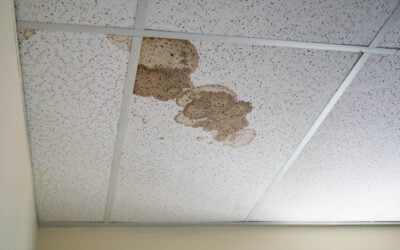

A stained or sagging ceiling can make a clean space look neglected. Even when walls and floors look fine, damaged ceiling tiles draw attention right away. Water marks, cracks, and uneven panels can make a commercial space feel poorly maintained.
The good news is that most commercial ceilings do not need full removal. In many buildings, replacing drop ceiling tiles within the existing suspension system is a cost-effective way to restore a clean, professional appearance. Let’s explore the process of restoring a drop ceiling with replacement tiles.
What Is a Drop Ceiling?
A drop ceiling, also called a suspended ceiling, is installed below the structural ceiling. It uses a metal grid system to support lightweight ceiling tiles.
The open plenum space above the grid allows building systems to run safely and remain accessible. This includes:
- Electrical wiring
- HVAC ductwork
- Plumbing lines
- Fire suppression systems
Because individual tiles can be lifted out of the grid, maintenance teams can reach systems above without cutting drywall. This flexibility makes suspended ceilings common in offices, healthcare facilities, retail stores, schools, and other commercial buildings.
Why Replace Ceiling Tiles Instead of Installing Drywall?
In commercial environments, ceiling systems affect more than aesthetics. They influence sound control, light reflectance, fire safety performance, and access to mechanical systems above the ceiling. When tiles become stained or damaged, some property owners consider removing the grid system and installing drywall. While drywall creates a smooth surface, it also limits access to electrical lines, plumbing, and HVAC components.
Having access to overhead systems in commercial buildings is critical. Keeping the suspended ceiling system in place provides several advantages:
- Faster installation time
- Less dust and demolition
- Lower overall project cost
- Minimal disruption to occupants
- Continued service access above the ceiling
For facilities that require ongoing maintenance access, replacing drop ceiling tiles is usually the smarter long-term solution. It preserves access to critical building systems while avoiding unnecessary structural modifications that increase cost and downtime.
Common Signs Your Ceiling Tiles Need Replacement
Ceiling tiles are exposed to moisture, airflow changes, and daily environmental stress. Over time, these conditions can impact both appearance and structural integrity.
Routine inspection helps identify problems early. Common warning signs include:
- Water stains or discoloration: Often caused by past roof or plumbing leaks.
- Sagging panels: Moisture absorption can cause tiles to dip inside the grid.
- Cracked or chipped edges: Damaged corners prevent proper alignment.
- Mold or mildew spots: May indicate ongoing moisture issues.
- Outdated finishes: Older tiles may reduce lighting efficiency and design consistency.
If water damage is visible, the source of the leak should always be corrected before installing replacement drop ceiling tiles. Addressing the root cause helps prevent repeat damage and protects the new installation.
Types of Replacement Drop Ceiling Tiles
Selecting the right ceiling tile involves more than matching appearance. In commercial environments, performance standards matter.
Different materials serve different purposes:
- Mineral fiber ceiling tiles: Common in offices. Designed for sound absorption and improved speech clarity.
- PVC ceiling tiles: Moisture-resistant and easy to clean. Ideal for humid or sanitary areas.
- Metal ceiling panels: Durable and decorative. Often used in retail or hospitality spaces.
Beyond material, performance ratings are critical for commercial compliance and functionality. When evaluating replacement ceiling tiles, consider:
- Noise Reduction Coefficient (NRC): Measures sound absorption performance.
- Light Reflectance Value (LRV): Impacts brightness and energy efficiency.
- Fire-resistance rating: Supports building code compliance based on occupancy type.
Mixing tiles with different acoustic or fire-performance ratings can create uneven sound control and compliance risks. Matching replacement tiles to the existing system helps maintain consistent building performance.
Most commercial drop ceiling systems use either 2×2 ceiling tiles or 2×4 ceiling tiles. We recommend confirming size and grid compatibility before ordering to prevent alignment issues during installation.
Understanding the Drop Ceiling Grid System
The grid system is the structural framework that supports each tile in a suspended ceiling. It is anchored to the building structure with hanger wires and designed to distribute weight evenly across the ceiling plane. Proper load distribution helps maintain tile alignment and long-term system stability.
Main components include:
- Main tees
- Cross tees
- Perimeter wall angles
- Hanger wires
Together, these components create a balanced support network that keeps replacement drop ceiling tiles level and secure. If any part of the suspension system shifts or weakens, the performance and appearance can be affected.
Before replacing multiple tiles, the suspension system should be carefully evaluated. Over time, grid components may show signs of wear due to humidity, building movement, or previous maintenance work.
Look for:
- Corrosion or rust
- Loose connections
- Bent tees
- Improper hanger wire spacing
- Leveling issues
Even minor structural problems can cause new tiles to sit unevenly, create visible gaps, or place stress on adjacent panels. In commercial buildings, improper grid support may also affect fire-rated assemblies or acoustic performance. A professional inspection ensures the system remains stable, properly aligned, and capable of supporting replacement drop ceiling tiles before large-scale installation begins.
How to Measure for Replacement Ceiling Tiles
Accurate measurement is essential before ordering materials. Incorrect sizing can delay projects and increase costs. Verifying tile dimensions and grid compatibility in advance helps prevent installation issues and material waste.
Take time to confirm the following:
- Measure the full room length and width.
- Identify whether tiles are 2×2 or 2×4.
- Count full tiles across and down.
- Note partial edge panels.
- Mark the location of lights, vents, and access panels.
Double-check measurements before placing an order. Ordering extra tiles allows for clean edge cuts and future maintenance needs. Careful planning reduces errors and helps ensure a smooth installation process.
How to Replace Drop Ceiling Tiles Step by Step
In commercial settings, ceiling tile replacement is typically handled by trained maintenance teams or professional ceiling contractors. This protects safety and ensures performance standards are maintained.
The process usually includes the following stages:
Site Preparation
The work area is secured. Furniture and equipment are protected or relocated. Electrical systems connected to lighting fixtures are safely managed according to facility procedures.
Tile Removal
The damaged tile is lifted and angled through the grid opening without placing stress on adjacent panels or grid components. Careful handling prevents grid misalignment and reduces the risk of cracking surrounding tiles during removal.
Grid Inspection
Before installing new tiles, the suspension system is checked for alignment, structural stability, and proper hanger wire support. Any signs of corrosion, loose connections, or leveling issues are addressed to ensure the new replacement drop ceiling tiles sit flat and perform as intended.
Installation of Replacement Tile
The new drop ceiling replacement tile is inserted at an angle and lowered carefully into position. Edges are aligned to maintain a flat and uniform appearance.
Final Inspection
The area is reviewed under normal lighting conditions to confirm consistent alignment, fit, and surface appearance. Commercial ceiling work is often scheduled during off-hours or completed in phases to minimize operational disruption.
Benefits of Replacing Drop Ceiling Tiles
Replacing ceiling tiles provides both visual and functional improvements. For commercial facilities, the benefits extend beyond appearance.
Updated ceiling systems can support:
- Improved sound control
- Brighter lighting conditions
- Cleaner, professional interiors
- Reduced long-term maintenance costs
- Continued access to mechanical systems
- Faster, less disruptive installation compared to full ceiling removal
Maintaining ceiling performance helps protect occupant comfort, code compliance, and long-term building value. Regular inspection and timely tile replacement also reduce the risk of larger structural or moisture-related issues developing above the ceiling system.
Professional Guidance for Ceiling Tile Replacement
Ceiling tile replacement affects long-term facility performance, safety compliance, and maintenance efficiency. The right materials must support acoustic performance, lighting efficiency, durability, and code compliance. Proper sizing and grid compatibility are also critical for long-term performance.
As a Houston-based commercial ceiling systems provider with over 20 years of experience, Ceil Tex works with contractors, designers, and facility managers to evaluate tile dimensions, suspension system condition, acoustic requirements, lighting coordination, and fire-rating standards. Our team focuses on ceiling systems that fit correctly and perform reliably over time.
Are you planning to replace ceiling tiles or upgrade your suspended ceiling system? Contact us for expert guidance. A professional evaluation helps you select the right materials, maintain compliance, and avoid costly installation errors while protecting long-term performance.