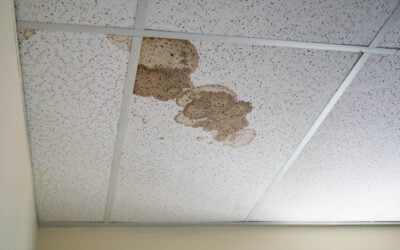

Ceilings are often overlooked during interior upgrades until visible wear becomes hard to ignore. Rusted grid lines, water stains, discoloration, or uneven sections can quickly make a space feel dated, even when everything else is well-maintained. In commercial buildings, these issues tend to stand out under overhead lighting, drawing attention upward in an unflattering way. Industry research shows that interior refresh projects frequently include ceilings once visible deterioration begins to affect the overall appearance of a room.
For many property owners, the assumption is that a full ceiling replacement is the only way to fix the problem. In reality, that approach is often unnecessary. Tearing out a drop ceiling system can be expensive, disruptive, and time-consuming, especially in occupied spaces. Ceiling grid covers offer a practical alternative. They focus on improving the visible portion of the ceiling while preserving the existing structure, delivering a noticeable upgrade with far less effort and expense.
Key Takeaways
- Visible ceiling wear shapes perception immediately
- Targeted ceiling repairs often replace full replacement
- Modern grids conceal underlying imperfections
- Upgrades preserve access and operational function
- Quick ceiling improvements can create dramatic impact
Understanding Drop Ceiling Systems
A drop ceiling, also known as a suspended ceiling, is installed below the structural ceiling and supported by a metal grid system. Ceiling tiles rest within this grid, creating a clean surface while maintaining access to wiring, plumbing, and HVAC components above.
This design makes repairs and upgrades far easier than with traditional drywall ceilings. It also allows spaces to adapt over time as technology, layouts, or building requirements change without major construction.
How the Grid Works
The grid is made up of main runners, cross tees, and wall angles that form a consistent framework. Suspension wires connect the grid to the structure above, allowing it to remain level across the room. One of the key advantages of this system is accessibility. Individual tiles can be removed as needed, making drop ceilings ideal for spaces that require regular maintenance or future layout changes.
Over time, however, the exposed metal grid often shows wear before the tiles themselves do. Moisture, airflow, and routine maintenance can leave grid components stained, scratched, or corroded, even when the ceiling is still functioning perfectly.
Where Drop Ceilings Are Commonly Used
Drop ceilings are widely used across commercial spaces because they balance functionality, durability, and accessibility. While they appear in many environments, the most common place grid protection systems are used is in commercial kitchens.
Commercial kitchens experience extreme conditions that quickly impact ceiling systems. High heat from cook lines and ovens requires constant air conditioning circulation, creating elevated humidity levels. In addition, dishwashers generate large amounts of steam and moisture, which can easily cause the ceiling grid (the most common industry term) to rust, stain, or deteriorate over time. Grid protection systems are essential in these spaces to extend the life of the ceiling, maintain cleanliness standards, and avoid costly replacements.
Beyond kitchens, drop ceilings are also common in spaces where both access and aesthetics matter, including:
- Office buildings and conference rooms
- Dining areas and restaurants
- Retail stores and shopping centers
- Medical offices and clinics
- Schools, universities, and institutional facilities
In these spaces, durability and access are critical, but appearance cannot be overlooked. When ceiling grid lines become stained, rusted, or uneven, the ceiling draws attention for the wrong reasons, making an otherwise well-maintained space feel dated or neglected.
What Ceiling Grid Covers Are and How They Work
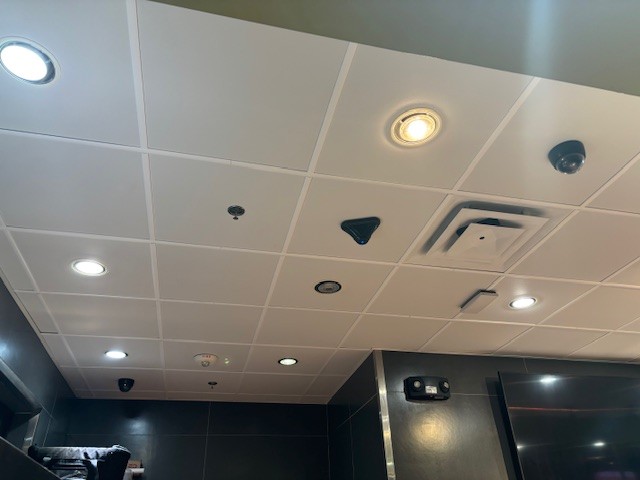
Ceiling grid covers are decorative or protective overlays designed to fit directly over existing T-bar grid components. Their purpose is to conceal visual imperfections such as rust, stains, scratches, or outdated finishes without altering the underlying ceiling system.
By focusing on the visible framework, grid covers improve the overall appearance of the ceiling while leaving the original structure intact. This approach allows property owners to achieve a refreshed look without removing tiles or disrupting the space above the ceiling.
Installation Without Demolition
Most grid covers are manufactured to match standard grid dimensions. They snap or slide over the exposed metal grid, creating clean, uniform lines across the ceiling. Because the original grid remains in place, there is no need to remove tiles or disturb utilities above the ceiling. Installation is typically fast and produces minimal dust or debris.
This makes grid covers especially appealing in occupied commercial spaces where minimizing disruption is a priority. For example, office buildings can stay fully operational during installation, retail stores can maintain customer access, and medical or educational facilities can continue daily activities without affecting patients or students. Even in industrial environments, work can proceed with little interruption, making grid covers a practical solution for improving aesthetics without halting business operations.
Grid Covers vs. Full Ceiling Replacement
Replacing an entire drop ceiling involves removing tiles, dismantling the grid, and reinstalling a new system. That process can interrupt daily operations and significantly increase renovation costs. Grid covers address the visible problem areas while preserving what already works, making them a far more efficient solution in many situations.
Why Property Owners Choose Ceiling Grid Covers
Ceiling grid covers appeal to commercial property managers because they deliver results without unnecessary complications. They offer a straightforward way to improve appearance without lengthy construction, major expense, or extended downtime. For many spaces, this balance of efficiency and visual impact makes grid covers an especially attractive upgrade option.
Ceiling grid covers are especially beneficial in commercial buildings because they can be customized to fit different ceiling types and layouts. They accommodate lighting fixtures, HVAC systems, and sprinkler lines without compromising functionality, making them ideal for offices, retail spaces, medical facilities, and industrial sites.
Immediate Visual Improvement
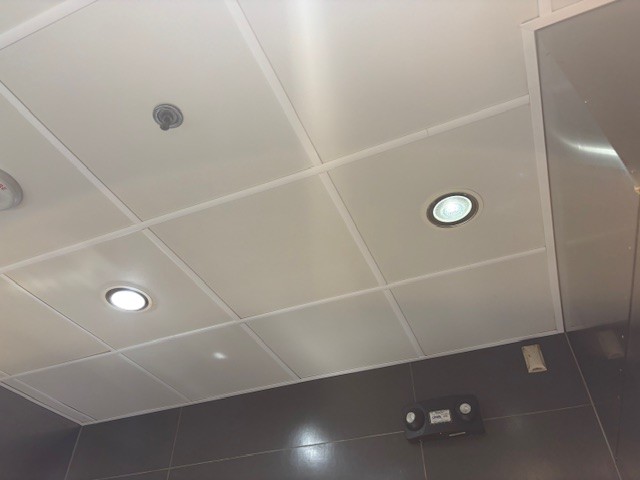
By hiding discoloration and inconsistencies, grid covers create straight, consistent grid lines that instantly make a ceiling look cleaner and more modern. Even without changing the tiles, many spaces feel brighter and more intentional once the grid is refreshed.
This visual upgrade is especially noticeable in areas with overhead lighting, where exposed grid lines tend to draw the eye. A cleaner grid helps the ceiling blend seamlessly into the space rather than standing out for the wrong reasons.
Cost Savings and Reduced Downtime
Compared to full ceiling replacement, grid covers are significantly more affordable. Installation is quicker, generates less mess, and often allows the space to remain in use during the upgrade. For businesses, this can mean avoiding closures or lost productivity.
This efficiency makes grid covers well-suited for offices, retail spaces, and occupied buildings where interruptions can be costly. Property owners can achieve a noticeable improvement without pausing daily operations or coordinating extensive construction work.
Continued Access Above the Ceiling
One of the primary benefits of a drop ceiling is easy access to the area above it. Grid covers preserve that advantage. Ceiling tiles can still be removed for maintenance, inspections, or repairs, ensuring functionality is not compromised.
This is especially important in commercial and institutional settings where frequent access to utilities is required. Grid covers are designed to work with existing systems, so routine servicing can continue without added complexity.
Materials, Finishes, and Design Options
Modern ceiling grid covers are manufactured to address both appearance and performance, allowing property owners to tailor the solution to the environment rather than settling for a one-size-fits-all upgrade. Material choice affects durability, moisture resistance, ease of installation, and long-term maintenance, while finish selection influences how the ceiling interacts with lighting and the surrounding design.
This range of options makes grid covers effective in spaces with very different demands, from moisture-prone basements to high-visibility commercial interiors. Choosing the right combination ensures the ceiling not only looks better immediately but continues to perform well under daily use and environmental stress.
Common Materials
Lightweight PVC is one of the most commonly used materials for ceiling grid covers. It resists moisture, does not rust, and performs well in areas with humidity or temperature fluctuations. This makes it especially suitable for basements, medical facilities, and commercial buildings where moisture exposure is a concern. PVC covers are also easy to cut and install, which helps reduce labor time during upgrades.
Aluminum grid covers are often chosen for their rigidity and refined appearance. They provide a more structured, architectural look and hold straight lines well over large ceiling spans. Aluminum is resistant to corrosion and maintains its finish over time, making it a strong option for offices, retail spaces, and modern interiors where clean lines and durability are priorities.
Some systems also offer coated or composite materials designed to balance flexibility with strength. These options can provide added resistance to scratches and wear in high-traffic environments while remaining lightweight enough for efficient installation.
Finishes and Visual Impact
Finish selection plays a significant role in how the ceiling is perceived. White and light neutral finishes help reflect light and can make rooms feel brighter and more open, particularly in spaces with lower ceilings or limited natural light. These finishes are commonly used when the goal is to minimize visual distraction and allow the ceiling to blend into the background.
Darker finishes, metallic tones, and matte textures introduce contrast and definition. In commercial or modern settings, these finishes can add structure and visual interest without overwhelming the space. Metallic options often pair well with contemporary lighting fixtures, exposed elements, or industrial-style interiors.
Design Flexibility and Application
Grid covers are available in multiple profiles and edge styles, allowing them to complement different ceiling tile designs and architectural themes. Subtle, low-profile covers create a clean, understated look, while more pronounced profiles can emphasize grid lines for a deliberate design statement.
This flexibility makes ceiling grid covers adaptable across a wide range of environments, including professional offices, retail spaces, healthcare facilities, and institutional buildings. By aligning material and finish choices with the function and design of the space, grid covers can elevate the ceiling from a visual liability to a cohesive part of the interior.
When Ceiling Grid Covers Are the Best Solution
Ceiling grid covers are most effective when the existing grid system is still in good structural condition, but no longer looks clean or current. In many cases, the grid has only cosmetic issues, such as surface rust, water staining, discoloration, or mismatched finishes that developed over time. Grid covers address these problems directly without disturbing the ceiling’s underlying framework.
They are commonly used to modernize older ceilings in offices, retail spaces, and institutional buildings where a full renovation would be costly or impractical. Grid covers are also a popular choice during tenant turnover, allowing property managers to refresh a space quickly between occupants without delaying move-in schedules.
In renovation scenarios where full ceiling removal would disrupt daily operations or living areas, grid covers provide an immediate visual upgrade. At the same time, they preserve access above the ceiling and allow for future changes, making them a flexible solution for spaces that may continue to evolve.
Installation Considerations
A successful ceiling grid cover installation starts with evaluating the existing ceiling system. While most grid covers are designed to fit standard T-bar grids, not all ceilings are identical. Verifying grid size, spacing, and overall condition helps prevent fit issues and ensures a clean, secure result. Bent or damaged grid sections may need minor adjustments before covers are installed.
The size and visibility of the space also play a role in deciding how the installation should be handled. In smaller areas or limited sections of a ceiling, some grid covers can be installed as a DIY project with basic tools. For larger commercial environments, open office layouts, or spaces where uniformity is critical, professional installation is often the better choice.
Experienced installers help ensure straight lines, consistent spacing, and a finished appearance that holds up over time. This attention to detail can make a noticeable difference in how the ceiling looks once the project is complete.
Design Tips for the Best Results
A ceiling upgrade is most effective when it supports the overall design of the space rather than standing out on its own. Grid covers should feel intentional and integrated, working alongside ceiling tiles, lighting, and surrounding finishes to create a balanced, professional appearance.
Consider the following design tips when selecting and installing ceiling grid covers:
- Match finishes thoughtfully by coordinating grid covers with ceiling tiles, light fixtures, and vents for a unified look
- Use lighter finishes in smaller or low-ceiling rooms to create a brighter, more open feel
- Choose darker or metallic tones in modern or commercial spaces to add structure, contrast, and visual definition
- Maintain consistent grid lines to avoid drawing attention to misalignment or uneven spacing
Lighting plays a significant role in how the ceiling is perceived. Proper placement and alignment of fixtures within the grid help reinforce clean lines and symmetry. Recessed lighting, evenly spaced panels, and centered fixtures contribute to a more refined appearance.
Tile alignment is equally important. Straight, evenly seated tiles prevent shadows, gaps, or visual breaks that can detract from the overall design. When grid covers, tiles, and lighting are planned together, the ceiling becomes a cohesive part of the interior rather than a distraction overhead.
A Smart Upgrade With Immediate Impact
Ceiling grid covers offer a practical way to refresh a space without the cost, mess, or downtime of full ceiling replacement. By addressing common issues such as rust, staining, and uneven grid lines, they restore a clean, finished appearance while preserving access above the ceiling.
As ceiling contractors in Houston, we specialize in ceiling solutions that prioritize performance, appearance, and practicality. When a ceiling grid is structurally sound but visually worn, grid covers often represent the most efficient upgrade available.
Have a project in mind? Contact Ceil Tex to discuss your space and learn how ceiling grid covers can deliver a refreshed, professional look with minimal disruption.