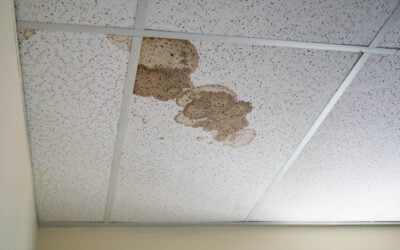
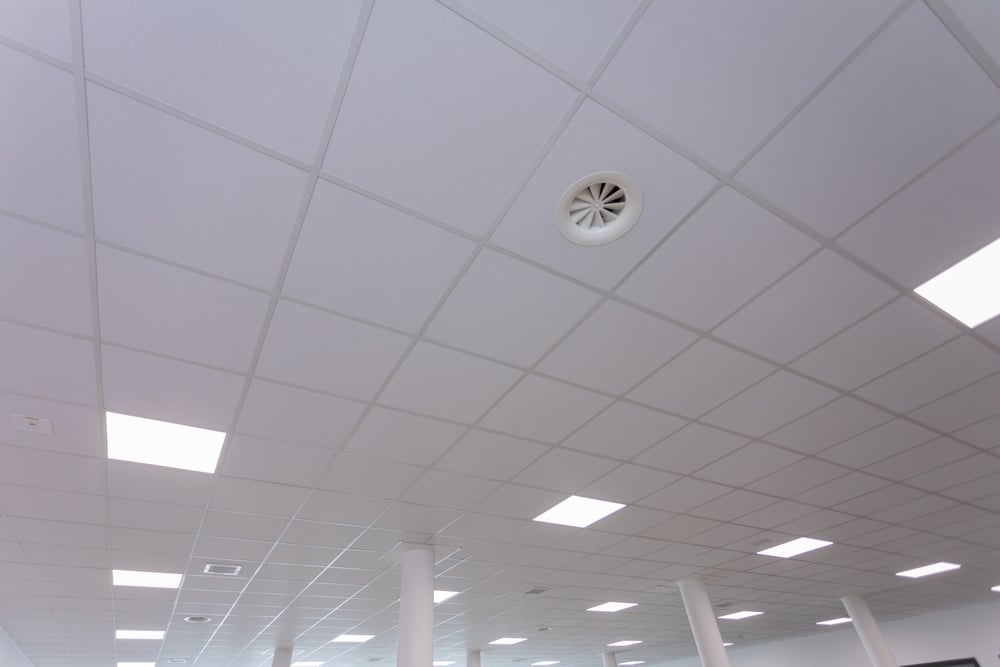
Ceilings are often one of the most overlooked areas in a building, yet they play a significant role in the overall appearance, air quality, and longevity of your interior spaces. Dust, dirt, smoke, and even mold can accumulate on ceiling tiles over time, affecting both the aesthetic and the health of the environment. Understanding the best ceiling cleaning methods is essential for maintaining a clean, safe, and inviting space.
Why Ceiling Cleaning Is Important
Regular ceiling cleaning is more than a matter of appearance. Over time, dust, allergens, and other contaminants can settle on ceiling tiles, especially in commercial environments. When left untreated, these particles can circulate through HVAC systems, potentially causing respiratory problems or contributing to an unhealthy indoor environment.
Beyond health concerns, stained or discolored ceilings can make a space feel neglected, even if other areas are meticulously maintained. Professional cleaning not only restores the visual appeal of ceilings but also extends the life of the tiles, preventing the need for costly replacements.
Dry Dusting and Vacuuming
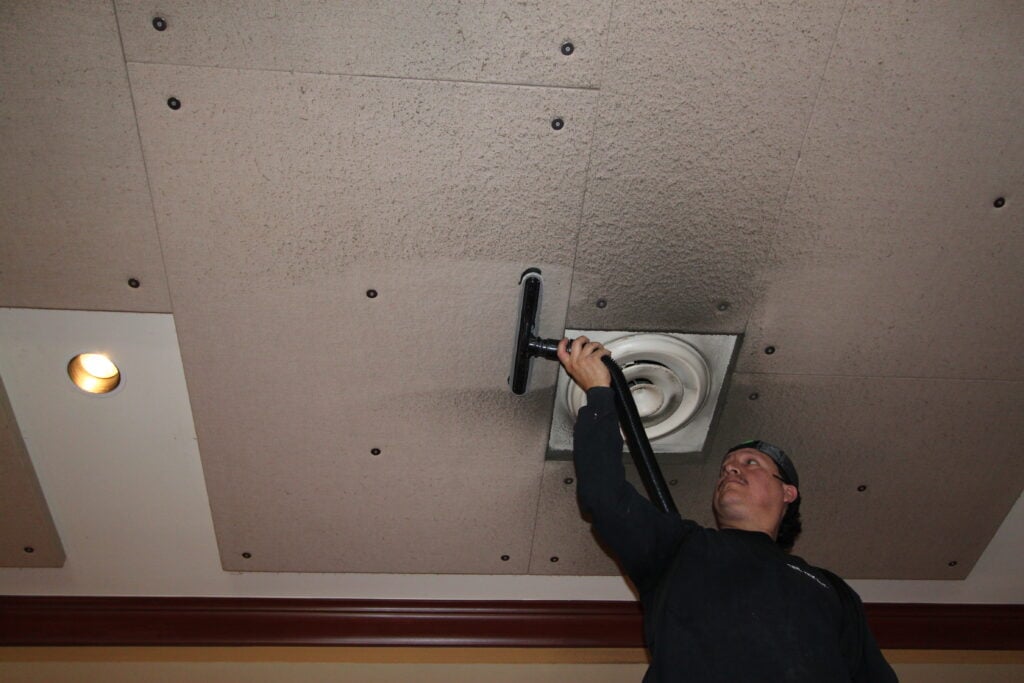
For routine maintenance, dry dusting and vacuuming remain the most practical and effective methods for keeping ceiling tiles clean. Using a vacuum equipped with a soft brush attachment or a microfiber cloth, loose dust and debris can be removed without risking damage to delicate tiles. This method is particularly suited for acoustic and drop ceilings, which are common in office and commercial spaces.
Regularly removing dust prevents buildup and minimizes the frequency of more intensive cleaning sessions. While this approach addresses surface-level dirt, it is not sufficient for tackling deeper stains or discoloration that may develop over time.
Spot Cleaning for Minor Stains
Occasional stains, such as water spots or light discoloration, require a more targeted approach. Spot cleaning with a damp cloth or sponge using a mild, pH-neutral cleaning solution can effectively remove these imperfections.
It is important to avoid oversaturating the tiles, particularly those made from porous materials, as excess moisture can lead to warping or mold growth. This method allows facilities to address minor issues promptly, maintaining a clean and professional appearance without resorting to full tile replacement.
After Cleaning:

Before Cleaning:
Professional Deep Cleaning
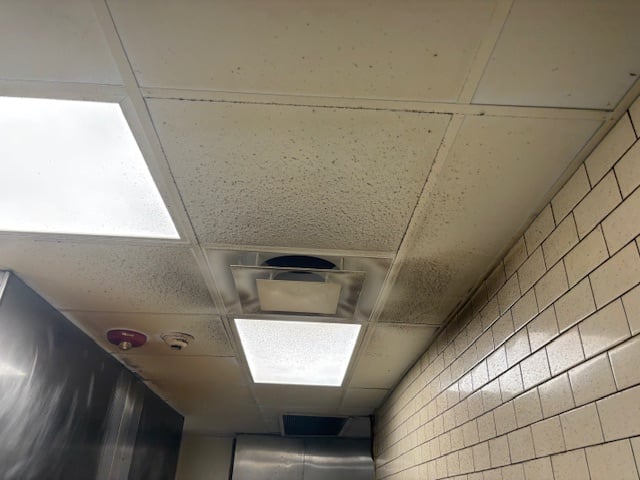
When ceilings have extensive staining, smoke or nicotine residue, mold, or significant discoloration, professional deep cleaning is the most effective solution. Trained technicians, such as our Ceil Tex team, use specialized equipment, including vacuum systems with extension brushes, scissor lifts, and scaffolds, to reach high or hard-to-access areas.
Professional cleaning often involves sanitizing, treating for mold and mildew, and restoring the brightness of the tiles. One of the advantages of this method is that tiles often remain in place, minimizing disruption to business operations.
In commercial environments, deep cleaning every 12 to 18 months can significantly enhance both the appearance and hygiene of ceiling surfaces, with more frequent cleaning recommended for kitchens, restaurants, and other high-traffic areas.
High-Dust and Overhead Surface Cleaning
In spaces such as warehouses, industrial facilities, or large retail stores, dust and debris can accumulate on beams, vents, and overhead structures. High-dust cleaning targets these areas, removing cobwebs, dust from ducts and vents, and buildup on light fixtures.
By addressing these overlooked surfaces, facilities can improve air quality, reduce allergens, and prevent deterioration of both ceiling materials and HVAC performance. This type of cleaning is especially important for facilities that operate in environments prone to high dust, smoke, or particulate matter.
Matching Ceiling Types to Cleaning Methods
Understanding everything you need to know about ceiling treatments helps ensure different ceiling materials receive the right cleaning approach. Acoustic or drop-ceiling tiles benefit from routine dusting, occasional spot cleaning, and periodic professional restoration for deep grime or mold. Vinyl, PVC, metal, and moisture-resistant panels can tolerate more resilient cleaning techniques but should still avoid harsh chemicals that may cause discoloration or damage.
In areas with high humidity or moisture, cleaning methods must minimize water exposure to prevent mold growth or warping. Tailoring the cleaning method to the ceiling material ensures both effectiveness and longevity.
Maintenance and Cleaning Frequency
Routine maintenance is key to prolonging the life of ceiling tiles. For most commercial spaces, professional cleaning every 12 to 18 months is sufficient. However, environments with higher soil levels, smoke, or grease may require cleaning every six to twelve months. Even with regular cleaning, ceiling tiles can still break down over time. Knowing the common signs that it’s time for ceiling tile repair helps businesses address damage before it leads to full replacement.
The holiday season often puts extra strain on commercial spaces, which makes proactive planning especially important. Following practical ceiling maintenance tips for the holidays can help businesses keep ceilings clean and presentable during periods of higher activity.
Between deep cleans, periodic dusting or vacuuming helps prevent accumulation and maintains a clean appearance. Regular visual inspections can catch early signs of staining, sagging, or mold, allowing facilities to address issues before they become costly problems.
DIY vs. Professional Cleaning
While some ceiling cleaning tasks can be handled in-house, such as dusting or spot cleaning, professional services offer expertise and equipment that ensure thorough results. Professional deep cleaning restores tiles, sanitizes surfaces, and reaches areas that are difficult to access, all while minimizing disruption to daily operations. High ceilings, vents, and industrial environments often require professional attention to maintain safety and hygiene standards.
Ceiling Tile Cleaning Questions
How often should commercial ceiling tiles be cleaned?
For most commercial spaces, professional ceiling cleaning is recommended every 12 to 18 months. However, environments with high dust, smoke, grease, or moisture, such as kitchens, restaurants, or industrial facilities, may require cleaning every six to twelve months. Regular visual inspections and routine dusting can help extend the time between professional cleanings.
Can I clean ceiling tiles myself?
Light dusting and spot cleaning with a damp cloth and mild cleaning solution can often be done safely in-house. However, deep cleaning for mold, smoke residue, or extensive staining is best handled by trained professionals to avoid damaging the tiles and to ensure thorough sanitation.
What types of cleaning methods are used for different ceiling materials?
Acoustic and drop-ceiling tiles benefit from vacuuming, dusting, and occasional spot cleaning, with professional cleaning for deep stains. Vinyl, PVC, metal, and moisture-resistant panels can tolerate more resilient cleaning methods but should still avoid harsh chemicals that may discolor or damage the surface.
Does ceiling cleaning improve indoor air quality?
Yes. Removing dust, allergens, mold, and other contaminants from ceilings prevents them from circulating through HVAC systems and into the occupied space. Regular cleaning helps maintain a healthier environment for employees, customers, and visitors.
The Importance of Ceiling Tile Cleaning
Proper ceiling cleaning methods go beyond simple maintenance; they enhance indoor air quality, improve the visual appeal of your space, and extend the life of your ceiling materials. By combining regular dusting, targeted spot cleaning, and periodic professional deep cleaning, businesses that join the Ceil Tex Inc. community can maintain safe, clean, and inviting interiors.
As a full-service ceiling company based in Houston, we specialize in a range of ceiling cleaning solutions tailored to commercial and industrial environments. With trained technicians and specialized equipment, they help local businesses keep ceilings clean, healthy, and well-maintained.
Ready to restore the look and safety of your ceilings? Request a quote today for a professional ceiling cleaning consultation and keep your building looking its best.