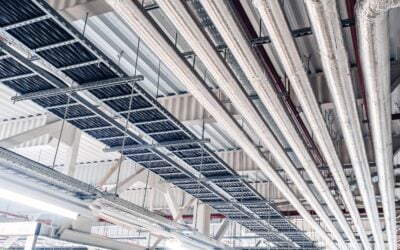
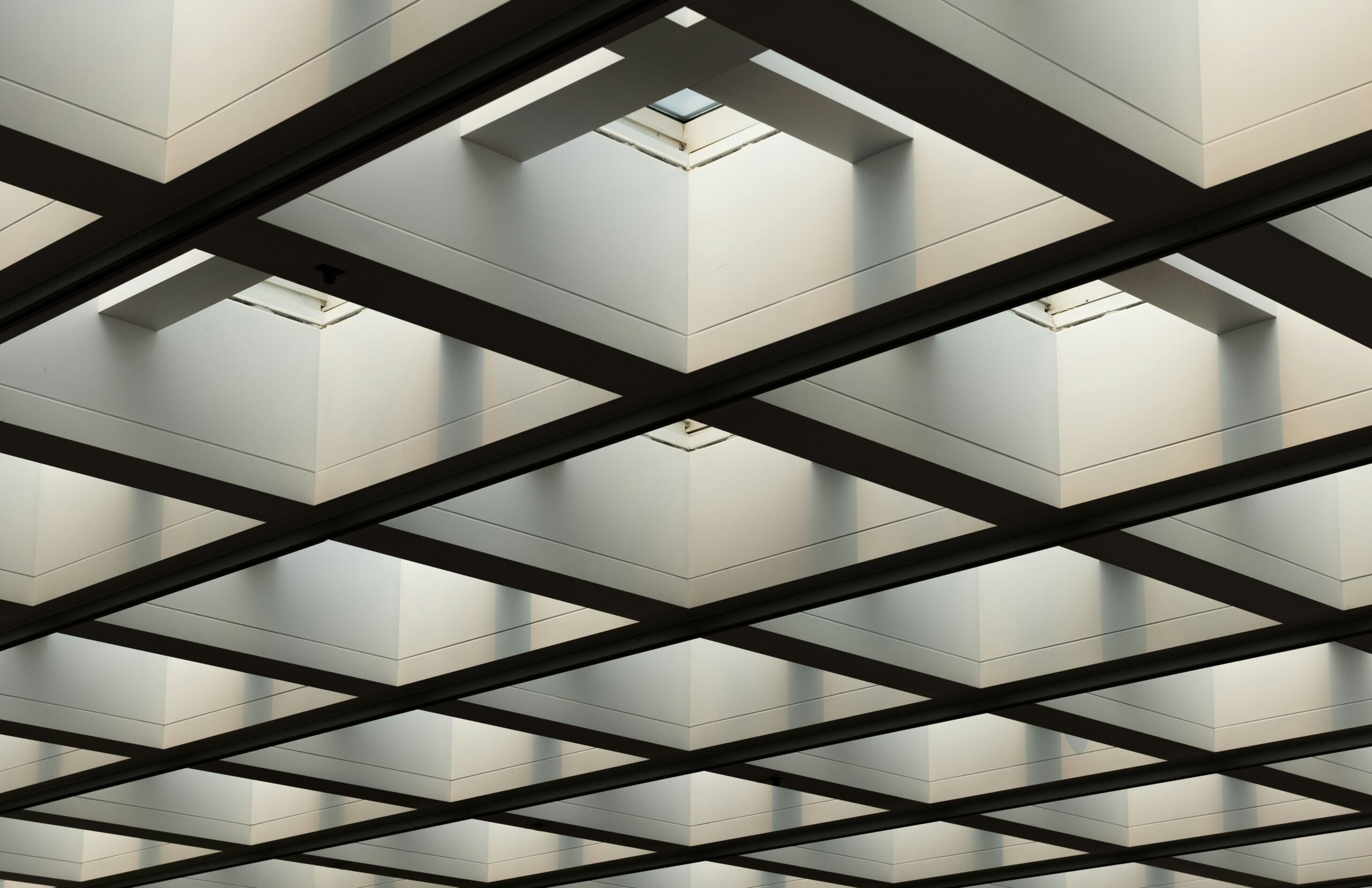
When it comes to commercial buildings, the ceiling isn’t just something you look at; it plays a big role in the overall design and functionality of the space. A well-built ceiling can improve lighting, control sound, hide wiring and ductwork, and even make a building feel more spacious and welcoming.
But constructing ceilings in commercial projects isn’t always easy. Contractors often face challenges like choosing the right materials, ensuring proper support, and working around plumbing, electrical, or HVAC systems. Mistakes can lead to delays, extra costs, or problems down the line, like sagging panels or poor acoustics. That’s why understanding key tips and best practices for ceiling construction is so important before the project even begins.
Planning Your Ceiling Construction
Before starting any ceiling project, it’s important to plan carefully. First, consider the type of building and its purpose, such as sound absorption for offices or aesthetic appeal for restaurants, to choose the right materials and design.
Next, ensure your plans follow local building codes and safety standards to avoid costly mistakes. Finally, factor in acoustics and insulation, since commercial ceilings should not only conceal ducts and wiring but also help control noise and maintain comfortable temperatures.
Choosing the Right Ceiling Materials
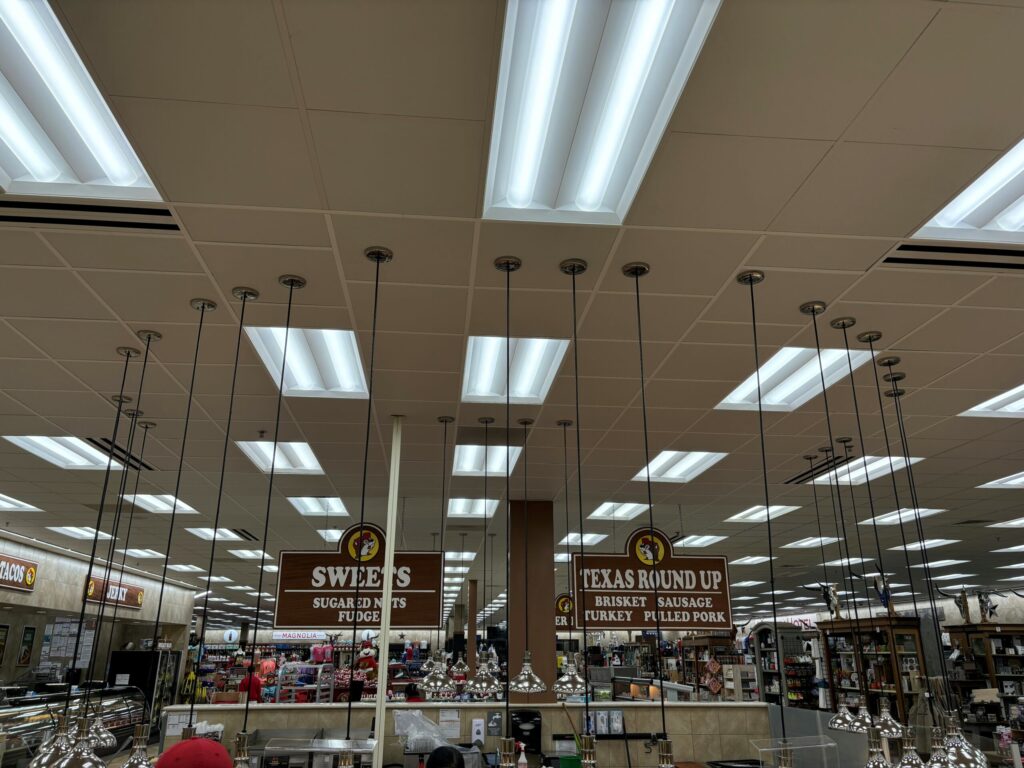
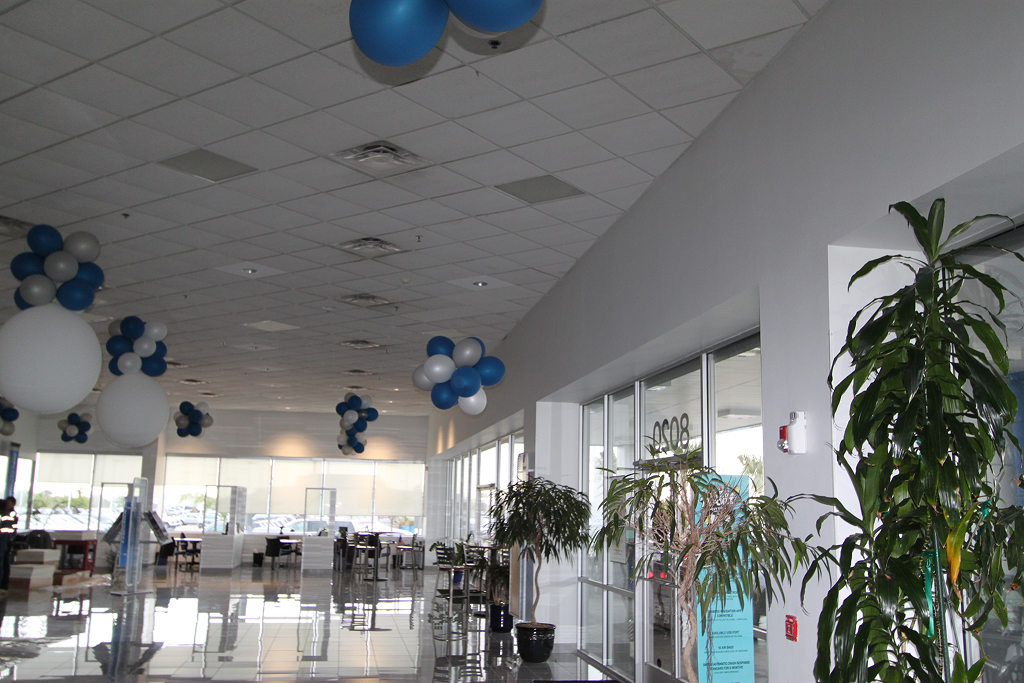
Choosing the right ceiling materials is essential for both function and style. Drop ceilings (grid ceilings) are cost-effective and allow easy access to utilities, while suspended ceilings provide a sleeker finish while still hiding systems.
Acoustic panels improve comfort by reducing noise in busy spaces, and selecting fire- and moisture-resistant materials ensures safety and durability. The best choice depends on your budget, design goals, and the needs of the space.
Design and Aesthetics
A ceiling can do more than just cover the top of a room; it can define the look and feel of a space. For commercial projects, creating a modern, professional look helps make a good impression on employees, clients, and visitors. Sleek lines, consistent colors, and thoughtful materials can make a space feel polished and inviting.
While style is important, function can’t be ignored. A great ceiling balances visual appeal with practical needs like acoustics, insulation, and accessibility for maintenance. For example, an eye-catching ceiling design should still allow easy access to wiring, plumbing, or HVAC systems.
Installation Best Practices
Successful ceiling installation takes more than just the right materials; it requires skill, precision, and experience. Preparation is key, from accurate measurements to ensuring all materials and tools are in place. These early steps may sound simple, but even small mistakes can create big problems down the road.
The actual installation process demands careful attention to detail, from laying out supports and grids to integrating wiring, lighting, and HVAC systems. Keeping everything level and properly aligned is crucial for a polished, professional finish.
While DIY might seem tempting, improper installation often leads to sagging panels, uneven surfaces, or poor acoustics. By hiring ceiling experts, you avoid costly mistakes and gain peace of mind knowing your ceiling will look great, function properly, and stand the test of time.
Ceiling Maintenance
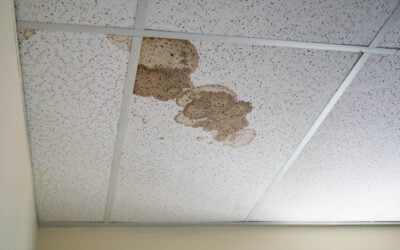
Once a ceiling is installed, taking care of it is just as important as building it. Regular inspections and cleaning help catch small issues before they turn into big problems. Dust, debris, or water stains can affect both appearance and performance, so keeping the ceiling clean is key.
When damage occurs, you’ll need to decide whether to repair or replace materials. Small cracks or loose panels can often be fixed, but extensive damage might require a full replacement. Making the right choice saves time and money while keeping the ceiling safe and functional.
Don’t forget about energy efficiency, too. Well-maintained ceilings can help with insulation and lighting, reducing energy costs over time. Choosing reflective tiles or maintaining proper insulation can make a noticeable difference in comfort and energy savings.
Ceiling Construction for Commercial Projects
Ceiling construction plays a significant role in determining the appearance, ambiance, and functionality of a commercial space. From selecting the right materials to planning for acoustics, lighting, and maintenance, careful decisions made at each stage ensure the project’s success. With the right approach, you can avoid common mistakes and create a ceiling that’s safe, efficient, and visually appealing.
As a full-service ceiling company in Houston, we understand the challenges that come with commercial projects. Our team specializes in ceiling design, installation, and maintenance, helping businesses improve both function and style.
Looking for ceiling solutions for your next commercial project? Request a quote from our team.