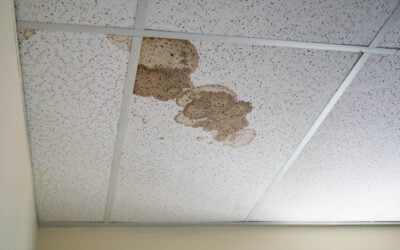

Have you ever been in a room where the noise just won’t stop bouncing around? Maybe it was a busy office, a school classroom, or even a doctor’s waiting room. When sound travels too easily, it becomes hard to concentrate, talk, or relax. That’s where acoustic insulation comes in, especially when it’s installed in a drop ceiling.
Drop ceiling sound insulation helps absorb sound waves, reduce echoes, and create a more peaceful environment. It’s a smart solution for anyone looking to improve comfort and cut down on noise. In this blog, we’ll explore how suspended ceiling acoustic insulation works, the materials available, and why it’s a great fit for both homes and commercial buildings with suspended acoustic ceilings.
What Is Drop Ceiling Acoustic Insulation?
Let’s start with the basics. A drop ceiling, also known as a suspended ceiling, hangs a few inches below your original ceiling. That gap creates the perfect space to add sound-absorbing materials. These materials absorb sound waves and reduce how much noise moves between rooms or floors.
The goal of suspended ceiling soundproofing sound absorption is simple: make your space quieter by limiting sound travel across walls, ceilings, and floors.
Here are a few common materials used in drop ceiling sound insulation:
- Fiberglass– Light, affordable, and great at absorbing sound.
- Mineral wool– A dense material that blocks sound and resists fire.
- Acoustic tiles– These drop ceiling tiles are specially designed to soak up sound and are commonly used in offices and schools.
Each of these materials has its strengths, but they all serve a primary purpose: controlling sound in indoor spaces.
Other Types of Insulation to Consider
While suspended ceiling acoustic insulation is a great start, you’ll get even better results by combining it with other types of insulation throughout your building.
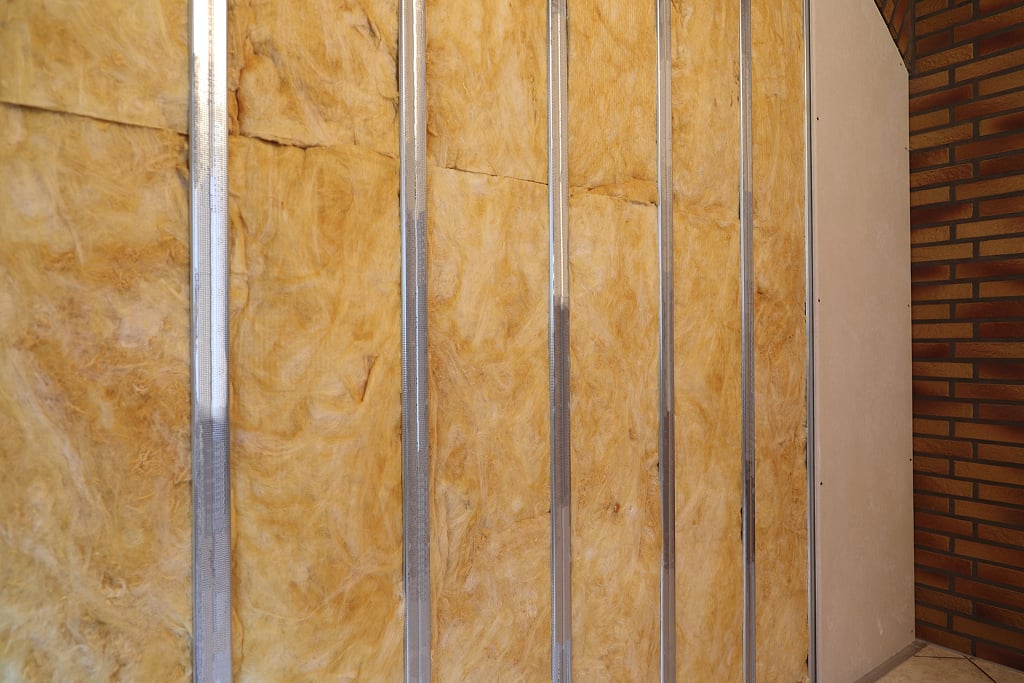
- Wall Insulation– Helps reduce sound transmission between rooms and boosts energy efficiency throughout your building.
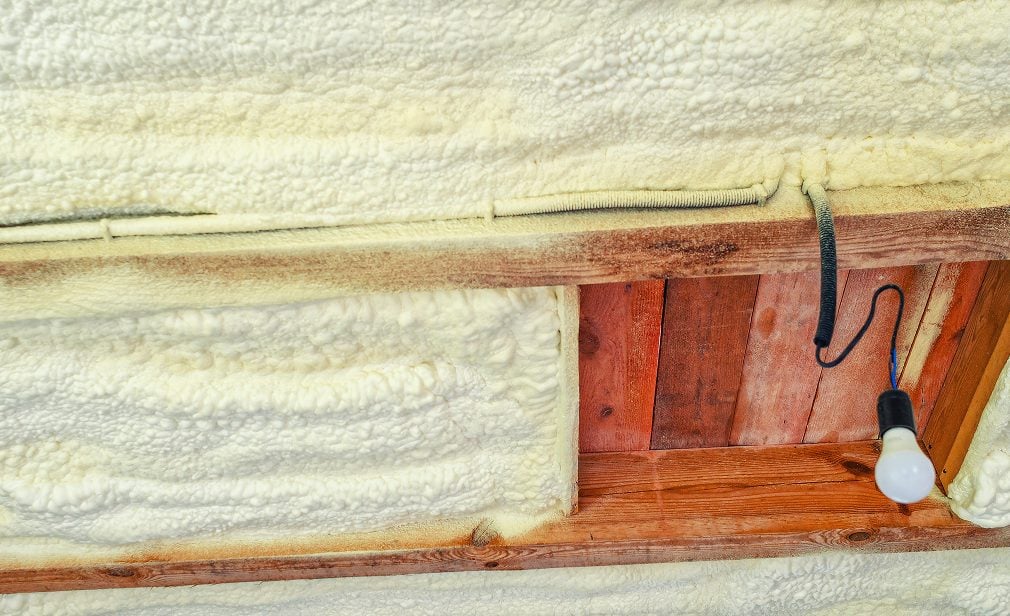
- Spray Foam Insulation– Expands into tight gaps and crevices, offering excellent air sealing and thermal insulation properties.
- Thermal Ceiling Insulation– Focuses on temperature control, helping regulate indoor climates and reduce energy bills.

Together, these solutions create a complete sound and thermal barrier that works well in commercial buildings.
Benefits of Acoustic Insulation for Drop Ceilings
Adding insulation to a standard drop ceiling has more benefits than you might expect:
| Benefit | What It Means |
| Reduces noise between floors and rooms | Blocks voices, footsteps, and other noises from traveling through ceilings. |
| Improves room acoustics | Helps reduce echoes and background noise for better communication and sound quality. |
| Adds thermal insulation | Helps keep rooms warmer in winter and cooler in summer, cutting down energy use. |
| Creates a more comfortable environment | Reduces distractions and makes the space feel calm and inviting. |
Best Types of Acoustic Insulation for Drop Ceilings
When choosing insulation for a drop ceiling, it helps to understand your options. Three common types are acoustic ceiling tiles, sound-absorbing panels, and backer insulation pads. Each one works a little differently, and the best choice depends on your space and goals.
Acoustic ceiling tiles are one of the most popular choices. These tiles are designed to fit right into the grid of a drop ceiling and help absorb sound from voices, machines, and everyday activity. They’re easy to install and come in a variety of designs, but they may not block sound as well as heavier materials.
Sound-absorbing panels are thicker and often made of fiberglass or foam. These panels are excellent for soaking up noise in loud spaces like call centers, gyms, or classrooms. While they’re great at improving room acoustics, they can be a bit more expensive and may require extra support in the ceiling system.
Backer insulation pads are placed above ceiling tiles to add extra sound control. They’re especially useful when you want to stop sound from traveling between floors. These pads work well in combination with acoustic tiles, but can be a bit harder to install if you’re retrofitting an existing ceiling.
Each of these insulation types has pros and cons, so it’s a good idea to think about your noise concerns, budget, and how much installation work you’re ready to take on.
Where to Use Drop Ceiling Acoustic Insulation
Drop ceiling acoustic insulation isn’t just for one type of building; it works in many places where noise control matters.
Offices and conference rooms are top candidates. In these settings, people need to focus, make phone calls, and have meetings without being distracted by background noise. Insulation helps keep conversations private and cuts down on the sounds of footsteps, printers, and hallway chatter.
Classrooms and medical facilities also benefit a lot. In schools, a quiet space helps students learn and teachers communicate clearly. In healthcare facilities, patients and staff need calm, peaceful environments for healing and concentration. Acoustic insulation helps make that possible by reducing echoes and blocking outside noise.
Whether it’s for work, learning, or care, these environments all need quiet to function at their best, and drop ceiling insulation is a simple way to make that happen.
Maintaining Your Acoustic Drop Ceiling
Once your acoustic insulation is in place, it’s important to keep it in good condition so it continues to work like it should.
Regular ceiling cleaning and upkeep can go a long way. Most acoustic ceiling tiles can be gently dusted or wiped with a damp cloth. For tougher stains, you may need a mild cleaner, but always check the tile’s material first. Be careful not to soak the tiles or damage the surface, since moisture can weaken the sound-absorbing material.
Over time, you may need to replace insulation or tiles. If tiles become stained, saggy, or damaged, it’s a good sign they should be swapped out. The same goes for insulation pads that have gotten wet or lost their shape. Keeping everything clean and in good condition helps your ceiling continue to reduce noise and look great.
Staying on top of maintenance doesn’t take much time, but it can make a big difference in how your space feels and sounds.
Upgrade Your Space with Drop Ceiling Acoustic Insulation
Drop ceiling acoustic insulation does more than just reduce noise; it transforms the way a space feels. Today’s insulation options are designed to control sound, improve comfort, and even boost energy efficiency, all while fitting neatly into your existing ceiling system. Whether you’re planning for an office, classroom, or medical facility, the right insulation can make all the difference.
As a full-service ceiling company based in Houston, we specialize in installing acoustic solutions that work. We help businesses, schools, and healthcare centers create quieter, more comfortable environments with drop ceiling insulation that gets results.
Ready to upgrade your space with effective acoustic ceiling insulation? Request a quote today