Commercial ceilings are an important part of maintaining a clean, professional, and comfortable business environment. However, ceiling tiles, suspended ceiling grids, vents, and overhead fixtures often receive less attention than floors, desks, and other visible surfaces. Over time, dust, grease, airborne particles, and moisture can accumulate overhead, affecting the appearance and condition of commercial ceiling systems.
According to the U.S. Environmental Protection Agency (EPA), Americans spend approximately 90% of their time indoors. This highlights the importance of maintaining clean indoor environments in commercial buildings. For facility managers and property owners, establishing a consistent commercial ceiling cleaning frequency is an important part of an effective building maintenance strategy.
But how often should commercial ceilings be cleaned? The answer depends on the building’s purpose, occupancy levels, environmental conditions, and ceiling materials. Understanding these factors helps businesses create practical cleaning schedules that protect ceiling systems and support long-term facility maintenance.
Key Takeaways
- Commercial ceiling cleaning frequency depends on building type, usage, and environmental conditions
- Offices and warehouses may require professional ceiling cleaning every 6–12 months
- Restaurants and manufacturing facilities often need more frequent cleaning
- Regular inspections help identify dust accumulation, stains, and moisture-related issues
- Professional ceiling cleaning helps maintain appearance and extend the lifespan of ceiling systems
Why Is Commercial Ceiling Cleaning Important?
Commercial ceilings collect dust, airborne contaminants, grease, and other particles that can affect the overall appearance of a facility. Without regular maintenance, ceiling tiles may become discolored, ceiling grids may accumulate dirt, and overhead fixtures may develop visible buildup. Professional commercial ceiling cleaning helps businesses maintain a clean and presentable environment while supporting long-term ceiling performance.
Maintains a Professional Appearance
Ceilings are a visible part of any commercial interior. Dirty, stained, or dusty ceiling tiles can make an otherwise well-maintained building appear neglected. Regular ceiling cleaning helps offices, retail stores, restaurants, and other commercial spaces maintain a professional appearance for employees, customers, and visitors.
Supports Indoor Environmental Quality
Dust and debris can accumulate on ceiling surfaces, vents, and overhead fixtures. Proper cleaning helps remove settled particles from these surfaces. The EPA emphasizes that indoor air quality depends on several factors, including ventilation, pollutant sources, and building maintenance. Ceiling cleaning should be considered one part of a broader indoor environmental quality strategy rather than a standalone solution.
Helps Extend Ceiling Lifespan
Accumulated dirt, grease, and moisture can contribute to deterioration or discoloration of certain ceiling materials. Routine cleaning and inspection help identify potential problems before they require more extensive maintenance. Maintaining ceiling tiles and grid systems can help reduce avoidable replacement expenses and protect the building’s long-term investment.
Reduces Unexpected Maintenance Issues
Regular ceiling inspections allow facility managers to identify visible staining, dust buildup, damaged tiles, or other maintenance concerns. Addressing these issues early helps businesses plan repairs and cleaning activities more efficiently.
How Often Should Commercial Buildings Schedule Ceiling Cleaning?
There is no universal commercial ceiling cleaning schedule for every facility. The recommended frequency depends on the amount of airborne dust, building occupancy, operational activities, and ceiling material. The following schedule provides a practical starting point for commercial property managers.
| Commercial Facility | Suggested Professional Cleaning Frequency |
| Office Buildings | Every 6–12 months |
| Retail Stores | Every 6–12 months |
| Restaurants and Commercial Kitchens | Every 3–6 months |
| Healthcare Facilities | Every 3–6 months, subject to facility protocols |
| Schools and Educational Facilities | Every 6 months |
| Warehouses | Every 6–12 months |
| Manufacturing Facilities | Every 3–6 months |
These intervals are general maintenance recommendations, not universal regulatory requirements. Facilities with excessive dust, grease, moisture, or airborne contaminants may need more frequent cleaning. Healthcare facilities should follow applicable infection-control protocols and building-specific requirements.
Office Buildings: Every 6–12 Months
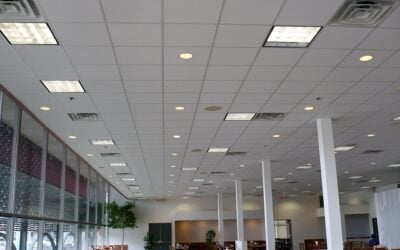
Office ceilings typically accumulate dust from everyday occupancy, HVAC operation, and indoor activities. A professional ceiling cleaning every six to twelve months is a reasonable starting point for many office environments. High-traffic areas, conference rooms, reception spaces, and ceilings near air vents may require more frequent attention. Facility managers should also inspect ceiling tiles for discoloration, dust accumulation, and visible damage.
Restaurants and Commercial Kitchens: Every 3–6 Months
Restaurants and commercial kitchens often require more frequent ceiling maintenance because cooking activities generate grease, heat, and airborne particles. Grease accumulation can affect ceiling tiles, suspended ceiling grids, and overhead fixtures. Areas near cooking equipment may require additional cleaning depending on the level of buildup.
Regular professional cleaning helps maintain a clean appearance and supports routine kitchen maintenance. Cleaning schedules should also align with applicable food safety requirements and manufacturer recommendations.
Retail Stores: Every 6–12 Months
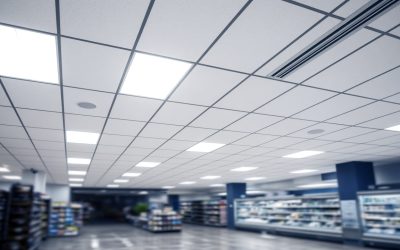
Retail ceilings contribute significantly to the customer experience. Dusty ceiling tiles, dirty light fixtures, and visible stains can detract from the appearance of merchandise and store interiors. A cleaning schedule of every six to twelve months can help maintain ceiling appearance in many retail environments. Stores with high customer traffic, large open spaces, or extensive lighting systems may benefit from more frequent inspections and cleaning.
Healthcare Facilities: Every 3–6 Months
Healthcare facilities require careful ceiling maintenance because cleanliness is closely connected to facility-specific infection prevention practices. Ceiling cleaning frequency should be determined by the healthcare facility’s environmental services team, infection prevention requirements, and the type of area being maintained.
Patient care spaces, operating rooms, and specialized clinical environments may require procedures that differ significantly from those used in administrative offices. Professional ceiling cleaning must follow approved protocols, compatible cleaning products, and applicable healthcare standards.
Warehouses and Manufacturing Facilities: Every 3–12 Months
Warehouses and manufacturing facilities can experience significant overhead dust accumulation due to equipment operation, material handling, production processes, and ventilation systems. Warehouses with relatively low dust levels may require professional ceiling cleaning every six to twelve months. Manufacturing environments with heavy dust, particles, or other airborne contaminants may require cleaning every three to six months or more frequently. Facility managers should consider production activities, overhead equipment, ceiling height, and the type of contaminants present when establishing a cleaning schedule.
5 Factors That Determine Commercial Ceiling Cleaning Frequency
A fixed schedule may not be sufficient for every commercial facility. Several factors influence how often professional ceiling cleaning is needed.
1. Building Usage and Occupancy
Buildings with higher occupancy levels may experience greater accumulation of airborne particles and dust. Offices, shopping centers, educational institutions, and public buildings should consider their daily occupancy levels when planning ceiling maintenance.
2. Dust and Airborne Contaminants
Facilities located near construction areas, industrial operations, or dusty environments may require more frequent ceiling cleaning. Manufacturing facilities and warehouses should assess the types of airborne particles generated by their operations before selecting a cleaning frequency.
3. Ceiling Material and System Type
Different ceiling materials require different cleaning methods and maintenance schedules. Acoustic ceiling tiles, metal ceiling panels, suspended ceiling grids, and specialty ceiling systems may have different cleaning requirements. Facility managers should follow manufacturer guidelines to prevent damage to ceiling materials during cleaning.
4. Moisture and Humidity
High humidity, leaks, and condensation can contribute to ceiling tile discoloration and deterioration. Ceiling surfaces should be inspected regularly for water stains, moisture damage, and other visible concerns. Cleaning alone will not resolve an underlying leak or moisture problem. Any source of water intrusion should be addressed before cleaning or replacing affected ceiling materials.
5. Previous Maintenance and Cleaning History
A facility with a consistent cleaning schedule may require less intensive cleaning than a building that has not received professional ceiling maintenance for several years. Reviewing past maintenance records helps facility managers determine appropriate cleaning intervals and identify areas that need additional attention.
Signs Your Commercial Ceiling Needs Professional Cleaning
Even with a scheduled maintenance plan, certain conditions indicate that a commercial ceiling may require immediate cleaning or inspection. Visible stains, discoloration, or dust buildup on ceiling surfaces may indicate the need for professional cleaning. Unpleasant odors or signs of mold growth can also suggest hidden moisture or contamination that requires immediate attention.
Visible Dust Accumulation
Dust collecting on ceiling tiles, grid systems, light fixtures, and vents is one of the most common signs that professional cleaning is needed. Over time, accumulated dust can affect indoor air quality and circulate throughout the commercial space. Professional ceiling cleaning helps remove embedded dust, improve workplace hygiene, and maintain a cleaner indoor environment.
Discolored Ceiling Tiles
Yellowing, gray discoloration, or visible dirt may indicate accumulated contaminants. However, stains caused by water leaks or moisture damage should be investigated before cleaning.
Grease Buildup
Restaurants and commercial kitchens may experience grease accumulation on ceiling surfaces and overhead fixtures. This buildup requires appropriate cleaning methods and compatible products.
Dirty Ceiling Vents and Fixtures
HVAC vents, light fixtures, and other overhead components can collect dust over time. These areas should be included in the facility’s ceiling maintenance plan.
Persistent Dust in Overhead Areas
If dust continues to accumulate shortly after cleaning, facility managers should evaluate ventilation, filtration, and other potential sources of airborne contaminants.
Commercial Ceiling Cleaning Checklist for Facility Managers
Facility managers can use the following checklist to monitor ceiling conditions and determine when professional cleaning is necessary. Regular inspections and timely maintenance help prevent excessive buildup, extend ceiling lifespan, and maintain a clean, professional appearance throughout the facility.
- Inspect ceiling tiles for visible dust and dirt
- Check suspended ceiling grids for grease or debris buildup
- Identify water stains, discoloration, or moisture damage
- Inspect ceiling vents and overhead fixtures
- Review the facility’s previous ceiling cleaning records
- Evaluate areas with high occupancy or airborne contaminants
- Confirm that cleaning methods are compatible with ceiling materials
- Schedule professional ceiling cleaning when required
- Document completed cleaning and inspection activities
A consistent checklist helps facility managers track ceiling conditions, plan maintenance activities, and maintain a more organized building management process. It also helps identify potential cleaning issues early, reducing long-term maintenance costs and supporting a healthier indoor environment.
Why Professional Commercial Ceiling Cleaning Is Important
Commercial ceiling cleaning often involves elevated surfaces, specialized equipment, and ceiling materials that require careful handling. Professional ceiling cleaning services provide several advantages over routine janitorial cleaning.
Specialized Equipment and Techniques
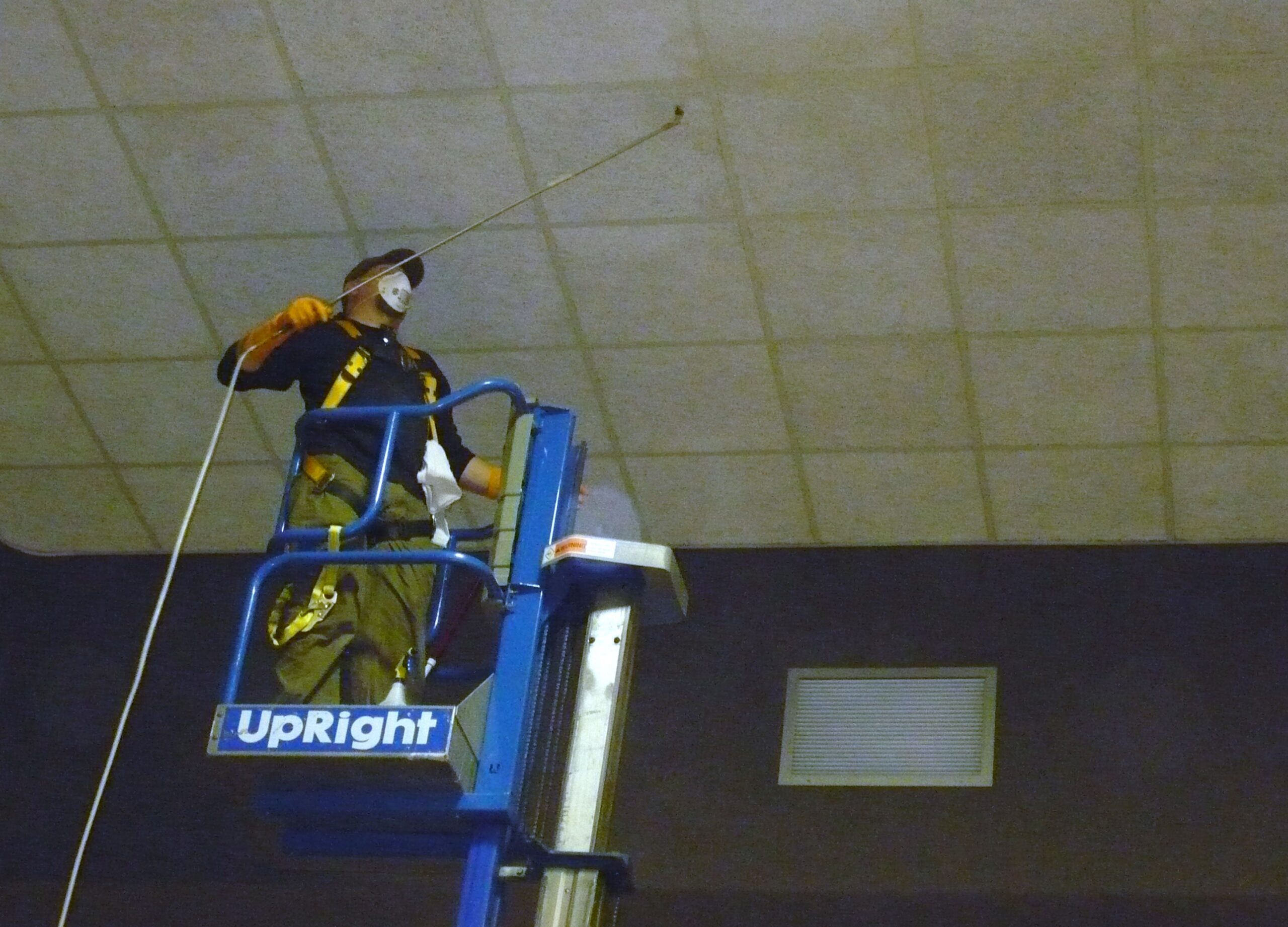
Professional ceiling cleaners use appropriate equipment and cleaning methods for different ceiling systems. This helps remove accumulated dust and debris while minimizing the risk of damaging ceiling tiles or grid components.
Safe Access to High Ceilings
Commercial facilities may have high ceilings, suspended ceiling systems, and overhead fixtures that require specialized access equipment. Professional cleaning teams can evaluate access requirements and use appropriate equipment and safety procedures for the job.
Reduced Operational Disruption
Professional ceiling cleaning can be scheduled during off-hours, weekends, or planned maintenance periods to minimize disruption to employees, customers, and daily business activities.
Consistent Cleaning Results
Professional cleaning services help businesses maintain consistent ceiling maintenance standards across different areas of a building. For property managers overseeing multiple commercial facilities, a coordinated ceiling cleaning schedule can simplify maintenance planning and improve consistency.
How to Create an Effective Commercial Ceiling Cleaning Schedule
Facility managers should develop a cleaning schedule based on building conditions rather than relying on a one-size-fits-all approach. Factors such as ceiling material, indoor air quality, foot traffic, and the type of business should be considered when determining cleaning frequency.
Step 1: Evaluate the Facility
Inspect ceiling systems throughout the building to identify areas with visible dust, grease, staining, or other maintenance concerns. Document the condition of each area to determine which sections require immediate attention.
Step 2: Identify High-Priority Areas
Prioritize areas that experience higher levels of contamination, such as commercial kitchens, manufacturing spaces, and high-traffic locations. These areas may require more frequent cleaning to maintain proper hygiene and prevent excessive buildup.
Step 3: Establish Cleaning Intervals
Use the building’s operational requirements, ceiling material, and environmental conditions to establish an appropriate cleaning frequency. A consistent schedule helps prevent heavy contamination and reduces the need for intensive cleaning later.
Step 4: Coordinate With Facility Maintenance Teams
Coordinate ceiling cleaning with other maintenance activities, including HVAC maintenance, lighting inspections, and general building cleaning. Proper coordination helps minimize operational disruptions and ensures all maintenance tasks are completed efficiently.
Step 5: Review and Adjust the Schedule
Inspect ceiling conditions after cleaning and review maintenance records periodically. Adjust the schedule when building operations, occupancy, or environmental conditions change. Regular evaluations help ensure the cleaning plan remains effective and meets the facility’s ongoing maintenance needs.
Invest in the Right Commercial Ceiling Solution
Commercial ceiling systems contribute to building appearance, indoor air quality, acoustic performance, and overall occupant comfort. From the initial design to professional installation and ongoing cleaning, every stage plays an important role in maximizing ceiling performance and protecting your investment. Working with one experienced commercial ceiling contractor simplifies project management, improves communication, and helps ensure your ceiling continues to perform as intended for years to come.
As a Houston-based commercial ceiling contractor with over 20 years of experience, Ceil Tex works with property owners, facility managers, contractors, and business leaders to design, install, and maintain commercial ceiling systems that meet their operational goals. Unlike companies that focus on only one part of the process, Ceil Tex provides a complete commercial ceiling solution with expert design, professional installation, and ongoing cleaning services all from one experienced team. Our team delivers complete ceiling solutions that help businesses improve workplace appearance, extend ceiling life, and simplify long-term facility management.
Planning a commercial ceiling project or looking for a trusted partner to maintain your existing ceiling system? Contact us today to schedule a professional consultation. Our experienced team can evaluate your facility, recommend practical solutions, and provide the complete design, installation, and cleaning services your building needs.